Pre-EMI vs Full EMI During Construction
Published On: 25 June 2026
When you buy an under-construction home like Godrej Brooklyn Avenue in Kukatpally — with possession scheduled for June 2031 — the bank releases your loan in stages as construction progresses. That raises a question every buyer must answer at sign-up: during the construction years, do you pay only the interest (pre-EMI) or the full EMI from day one? The choice affects your monthly outflow today and your total interest cost tomorrow. This guide explains both options, runs a worked example, and tells you which suits your situation.
What Pre-EMI and Full EMI Actually Mean
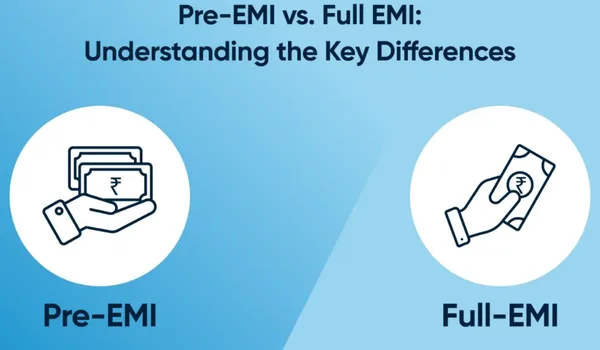
Under a pre-EMI arrangement, while the home is being built you pay only the interest on the portion of the loan disbursed so far. The principal is not yet being repaid. Your full EMI — covering both principal and interest — begins only after the loan is fully drawn or you take possession. Under a full EMI (also called full-tenure EMI), you start paying the complete principal-plus-interest instalment from the beginning, even before the home is ready, based on the sanctioned amount.
| Feature | Pre-EMI | Full EMI |
| Payment during construction | Interest only on disbursed amount | Full principal + interest |
| Monthly outflow now | Lower | Higher |
| Principal reduction during build | None | Begins immediately |
| Total interest paid | Higher over the loan life | Lower over the loan life |
| Best for | Buyers managing rent + EMI, or short build | Buyers with surplus, wanting to save interest |
A Worked Example
Take a ₹2 Cr loan at the 2026 rate of around 7.75% (verify with your bank). Suppose construction-linked disbursement reaches roughly ₹1 Cr midway through the build. Under pre-EMI, your monthly interest on that ₹1 Cr is in the region of ₹65,000 — lighter on your wallet, but you are not touching the principal at all. Under full EMI on the ₹2 Cr sanction, you would pay around ₹1,64,190 a month from the start, of which a slice already reduces principal. Over the long construction period to 2031, the full-EMI buyer pays less total interest because principal starts shrinking years earlier. The pre-EMI buyer keeps more cash free in the near term but pays more across the loan's life.
The Real Trade-Off
Pre-EMI lowers your near-term burden, which is valuable if you are also paying rent while waiting for possession, or if your income will rise later. But because your principal is untouched through the build, your total interest bill is higher and your effective tenure starts only at possession. Full EMI is costlier each month now but cheaper overall, and it gets you into principal repayment immediately. There is no universally "right" answer — it depends on your cash flow and how long the construction runs. To plan your outflow around the builder's milestones, study the project's payment plan alongside your loan structure.
A Note on Tax
Interest paid during construction is not deductible in the year you pay it. Instead it is aggregated and claimed in five equal instalments starting the year you take possession, within the overall Section 24(b) limit. This pre-construction interest rule applies to both pre-EMI and full EMI structures, so factor it into your planning. Our home loan and EMI guide sets out the deduction limits in more detail.
Who Should Choose What
Choose pre-EMI if you are simultaneously paying rent, expect your income to grow before possession, or want to keep cash free for the down-payment stages of an under-construction purchase like Godrej Brooklyn Avenue. Choose full EMI if you have the surplus to absorb a higher monthly outgo, want to minimise total interest, and prefer to start cutting principal from day one. Investors planning to sell or let out also often prefer full EMI to reduce the eventual outstanding faster. Match the option to your monthly budget and your time horizon to possession.
Frequently Asked Questions
1. What is the difference between pre-EMI and full EMI?
Under pre-EMI, during construction you pay only the interest on the amount disbursed, and full instalments begin after possession. Under full EMI, you pay the complete principal-plus-interest instalment from the start. Pre-EMI is lighter monthly now but costs more total interest; full EMI is heavier now but cheaper overall.
2. Which is cheaper overall, pre-EMI or full EMI?
Full EMI is usually cheaper over the life of the loan because you start reducing the principal immediately, so less interest accrues. Pre-EMI keeps more cash free during construction but, because the principal is untouched until possession, results in a higher total interest bill.
3. Is pre-EMI better for an under-construction flat like Godrej Brooklyn Avenue?
It can be, especially if you are paying rent until possession in June 2031 or want to keep cash free for staged down-payments. But if you have surplus income and want to minimise total interest, full EMI is the better long-term choice. The right option depends on your monthly budget and time to possession.
4. Can I claim tax benefits on interest paid during construction?
Interest paid during construction is not deductible in the year of payment. It is aggregated and claimed in five equal instalments starting the year you take possession, within the Section 24(b) limit. This pre-construction interest rule applies to both pre-EMI and full EMI structures.
5. Can I switch from pre-EMI to full EMI later?
Many lenders allow you to start paying full EMI earlier than required, or to make part-prepayments during construction, which effectively reduces your interest burden. Check your loan agreement and speak to your bank, as policies vary between lenders.
Godrej Brooklyn Avenue Blog