Sale Agreement vs Sale Deed - Key Differences
Published On: 25 June 2026
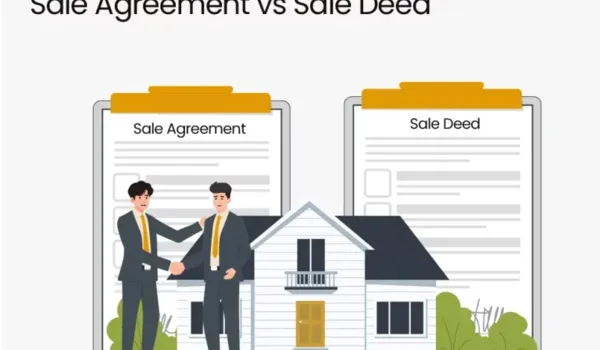
Two documents sit at the heart of every property purchase, and confusing them can cost you dearly. The sale agreement (or agreement to sell) is a promise to transfer ownership in the future on agreed terms; the sale deed is the document that actually transfers ownership. Many buyers pay large sums on the strength of an agreement alone, not realising that they still do not own the property until the deed is executed and registered. For anyone buying a home in the Godrej Brooklyn Avenue price band, where the stakes run into crores, knowing exactly what each document does is essential. This guide lays out the differences, as of 2026, and what to verify in Telangana. Confirm current stamp-duty and registration rules on the official portal.
What a Sale Agreement Is
A sale agreement, also called an agreement to sell, records the intention of buyer and seller to complete a transaction on stated terms: the price, the payment schedule, the timeline, the condition of the property and what happens if either side defaults. It creates a contractual right to demand completion, but it does not transfer ownership. In an under-construction project it is typically captured in the builder-buyer agreement, which also covers possession dates, the carpet area and penalty clauses. Crucially, the agreement is the stage at which you negotiate; once you move to the deed, the terms are largely locked.
What a Sale Deed Is
A sale deed is the legal instrument that conveys ownership from seller to buyer. On its execution and registration, title passes and you become the owner of record. It must be stamped at the applicable rate and registered with the sub-registrar under the Registration Act. Until the sale deed is registered, you have at best a right to demand the sale, not the property itself. This is why lenders disburse the final tranche and possession is handed over only around registration.
| Feature | Sale Agreement | Sale Deed |
| Nature | Promise to sell in future | Actual transfer of ownership |
| When signed | Early, before full payment | At completion, on final payment |
| Ownership passes? | No | Yes, on registration |
| Registration | Often not mandatory (state-specific) | Mandatory |
| Full stamp duty | Usually nominal / token | Full stamp duty payable |
| Risk if other side defaults | Sue for performance / refund | You already own the property |
The Sequence: Agreement First, Deed Last
In a typical purchase the agreement comes first. You sign it, pay the booking amount and instalments per the schedule, complete your loan and due diligence, and only then execute the sale deed and register it. The gap between the two can be months or, for an under-construction home, years. During that window your protection comes from the agreement's clauses, which is why those clauses matter so much. For a project being delivered over time, the agreement governs the long stretch up to possession around June 2031, while the deed crystallises ownership at the end.
Stamp Duty and Registration
Full stamp duty and registration charges fall due on the sale deed, not the agreement. In Hyderabad urban areas the combined stamp duty, transfer duty and registration works out to roughly 6% of the consideration as of 2026, the same rate for all buyers with no women-buyer concession and the registration fee capped at ₹50,000 (verify the current figure on the Telangana registration portal). On a property starting around Rs 2.10 Cr that is a sizeable line item, so build it into your budget. Our stamp duty and registration guide works through the numbers, and the cost sheet shows how these stack on the base price.
The Risk of Paying on an Agreement Alone
A sale agreement gives you a right to enforce the sale, but not the property. If a seller in a resale deal tries to sell to someone else, or if disputes arise, your remedy is litigation for specific performance or refund, which is slow and uncertain. This is why you should never pay the bulk of the price on an agreement that lacks clear default, refund and timeline clauses, and why you should always insist on a registered sale deed to complete the transfer. For a builder purchase from a reputed developer with a clear RERA registration, the risk profile is lower, but the discipline of reading every clause still applies. See our step-by-step booking guide for the full journey.
What to Verify Before You Sign Either Document
- Title and EC: confirm clear title and a clean encumbrance certificate before the agreement.
- Payment schedule: tie instalments to construction milestones, not arbitrary dates.
- Carpet area and possession: ensure the agreement states carpet area and a firm possession timeline with penalties.
- Default and refund clauses: check what you get back if delivery slips badly.
- RERA registration: for this project, Telangana RERA No. P02200010981, which anchors your statutory protections.
- Stamp duty and registration: budget the full charges on the deed.
Who Should Pay Closest Attention
First-time buyers and NRIs purchasing remotely should be most careful, since they rely heavily on the documents rather than personal site visits. Treat the agreement as the negotiation stage where every protection must be written in, and the deed as the irreversible transfer where the title finally moves to you. When the consideration runs into crores, having a property lawyer vet both documents is a small cost for large peace of mind. Explore our broader price and charges section for related cost and legal guides.
Frequently Asked Questions
1. What is the difference between a sale agreement and a sale deed?
A sale agreement is a promise to transfer ownership in the future on agreed terms; it does not move ownership. A sale deed is the document that actually transfers ownership when executed and registered. The agreement comes first, the deed completes the purchase.
2. Do I own the property after signing a sale agreement?
No. A sale agreement gives you a contractual right to demand completion, but ownership passes only when the sale deed is executed and registered. Until then, your protection lies in the agreement's clauses, not in title.
3. When is stamp duty paid?
Full stamp duty and registration charges are paid on the sale deed, not the agreement. In Hyderabad urban areas this is roughly 6% of the consideration as of 2026, the same rate for all buyers with no women-buyer concession and the registration fee capped at ₹50,000. Verify the current figures on the Telangana registration portal.
4. Is a sale agreement legally binding?
Yes, a properly executed sale agreement is binding and enforceable; either party can seek specific performance or remedies on default. However, enforcement is through the courts and takes time, which is why a registered sale deed is essential to actually secure ownership.
5. What should I check before signing for a project like Godrej Brooklyn Avenue?
Verify clear title and a clean encumbrance certificate, a milestone-linked payment schedule, carpet area and possession timeline with penalties, and the project's Telangana RERA registration No. P02200010981. Insist on a registered sale deed to complete the transfer, and have a lawyer vet both documents.
Godrej Brooklyn Avenue Blog