Kukatpally Is Fully Urban — Here Is the Proof
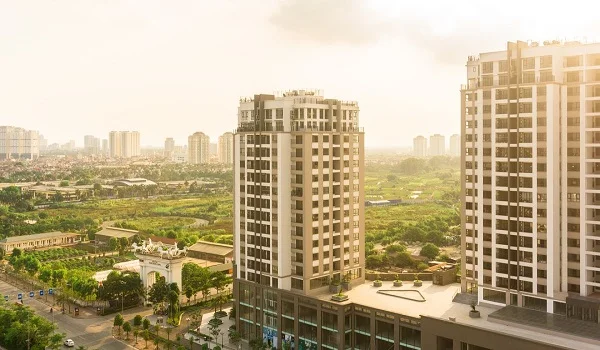
Featured Image of Kukatpally Is Fully Urban — Here Is the Proof


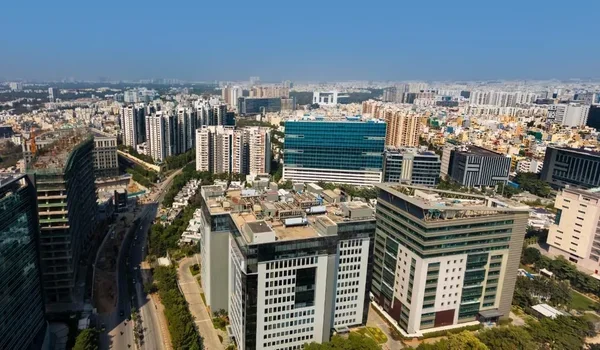
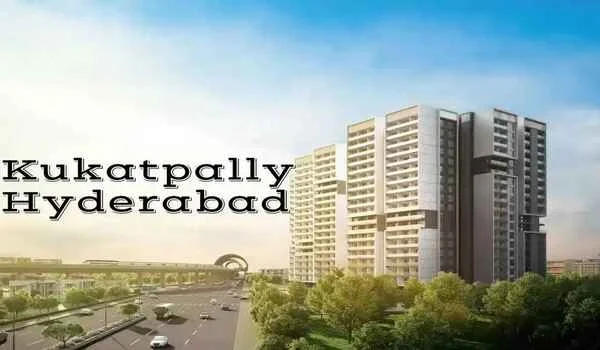
Kukatpally is 100% urban. There is nothing rural about it. It has the highest population density in all of Hyderabad at 33,076 people per sq km. It has 3 Metro stations, large malls, big hospitals, and high-rise towers. It is governed by the GHMC — the city's main civic body.

If you picture fields, farms, or quiet village lanes, that is not Kukatpally. It is one of the most active, built-up, and dense urban zones in Hyderabad.

What Makes a Place Urban — And Kukatpally Has All of It


Urban areas have certain things. High population. Paved roads. Public transport. Big buildings. Shops, schools, and hospitals close together. Government city services.

Kukatpally has every single one of these.

Let us go through them one by one.

Population and Density

Kukatpally has a population of around 2.52 lakh people across 20.68 sq km. That gives it a population density of 33,076 people per sq km. That is the highest density of any suburb in Hyderabad. For comparison, many rural areas in India have fewer than 500 people per sq km. Kukatpally has 66 times that.

Roads and Highways

NH 65 — the National Highway connecting Hyderabad to Pune — runs straight through Kukatpally. This is a 6-lane highway. The Inner Ring Road also passes through the area. These are not village roads. These are city-level arterial roads.

Metro Rail

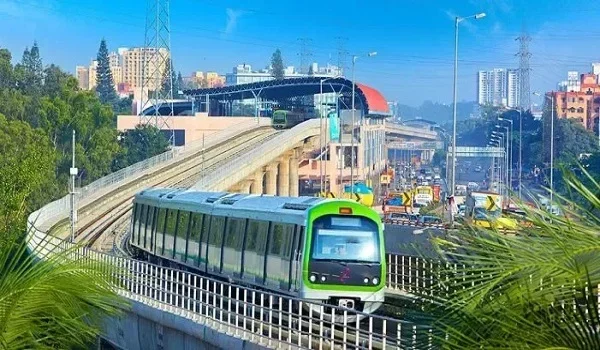
Kukatpally has 3 Metro stations on the Red Line. Kukatpally Station, KPHB Colony Station, and Balanagar Station. Rural areas in India do not have Metro rail. Urban city zones do.

GHMC Governance

Kukatpally is a full GHMC zone. It is one of the six official zones of the Greater Hyderabad Municipal Corporation. GHMC provides city services — road maintenance, water supply, waste management, and urban planning — to every part of Kukatpally.

What Kukatpally Looks Like on the Ground


If you walk through KPHB Colony today, here is what you see.

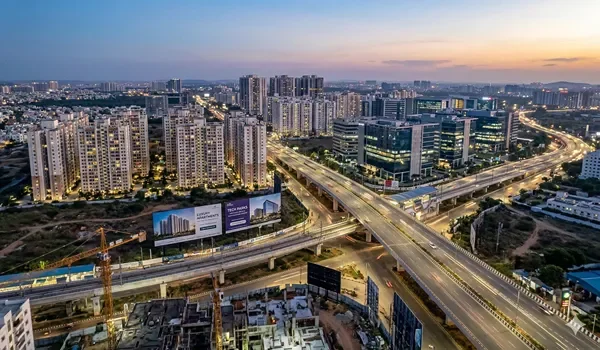
Multi-storey apartment buildings on every block. Wide main roads with clear lane markings. Metro pillars running along the highway. Big malls like Lulu Mall and Forum Sujana Mall. Busy markets with shops selling everything from groceries to electronics. Auto stands, cab pickup points, and bus stops every few hundred metres. Schools, coaching centres, and JNTU Hyderabad campus. Hospitals and clinics on every road.

This is full city life. Not a semi-urban fringe. Not a suburb in the early stages. A mature, busy, dense urban neighbourhood.

A Brief History — Kukatpally Was Never Really Rural


Some people assume Kukatpally was a village that grew into a city. That is not quite accurate.

Kukatpally started as an industrial corridor in the northwest part of Hyderabad in the mid-20th century. It was not farmland. It had factories and manufacturing units. Then, in the 1990s, people from Andhra Pradesh started moving here in large numbers because of new jobs. The KPHB Colony — Kukatpally Housing Board Colony — was built to house these families in a planned, organised way.

KPHB Colony grew into one of Asia's largest planned residential hubs. Planned from the start. Not organic village growth. Formal urban planning with laid-out roads, numbered phases, and municipal services.

By 2007, Kukatpally had grown so much that it merged into the GHMC. It was no longer a separate municipality. It became a core part of Hyderabad city.

Key Urban Facts About Kukatpally


Feature Detail
Classification Fully Urban — GHMC Zone
Population Around 2.52 lakh (2020)
Population Density 33,076 people per sq km — highest in Hyderabad
Metro Stations 3 — Red Line (Kukatpally, KPHB Colony, Balanagar)
Main Road NH 65 (National Highway 65) runs through it
Tallest Building Lodha Bellezza — Hyderabad's first 150m+ tower, built here in 2014
Governance GHMC — one of six official city zones
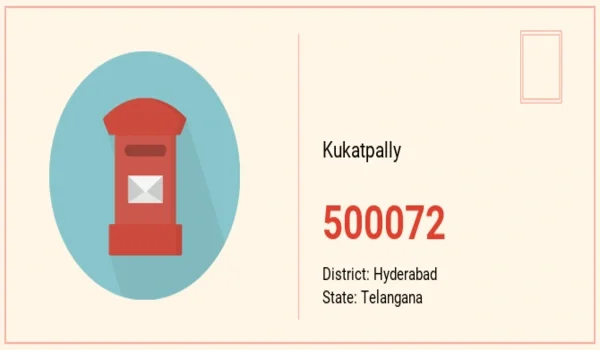
Pin Code 500072
Nearest IT Hub HITEC City — 8 to 9 km
KPHB Colony One of Asia's largest planned residential hubs

How Urban Is KPHB Phase 4 Specifically?


KPHB Phase 4 is not just urban. It is one of the most connected, well-served parts of Kukatpally.

It has the JNTU College Metro Station walking distance away. NH 65 gives you direct road access to HITEC City in 8 to 9 km. Lulu Mall is nearby. Big hospitals like CARE and Yashoda are 7 to 8 km away. Schools and colleges are all around.

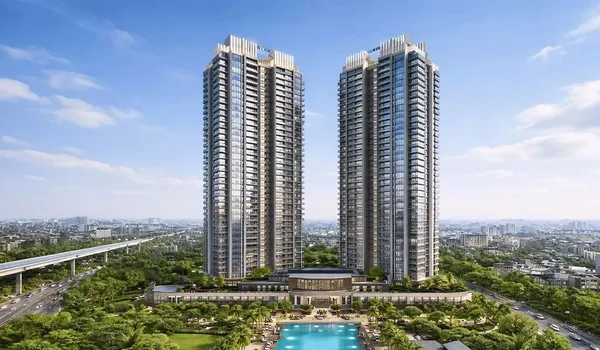
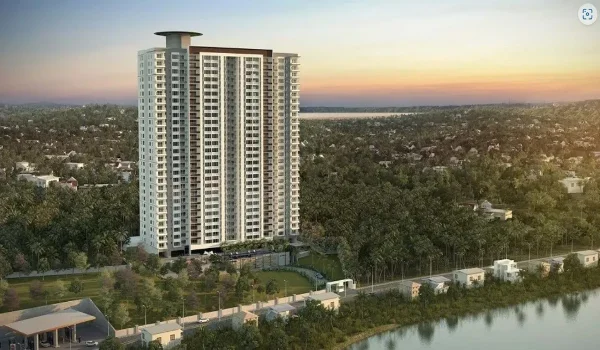
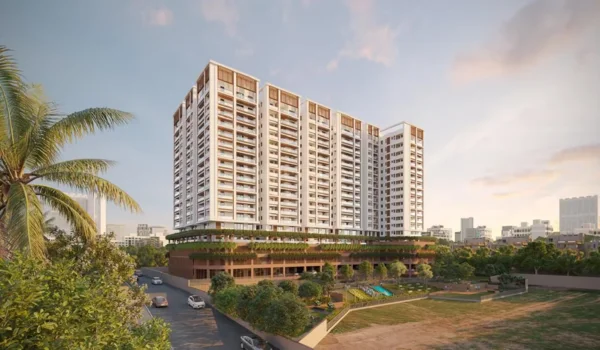
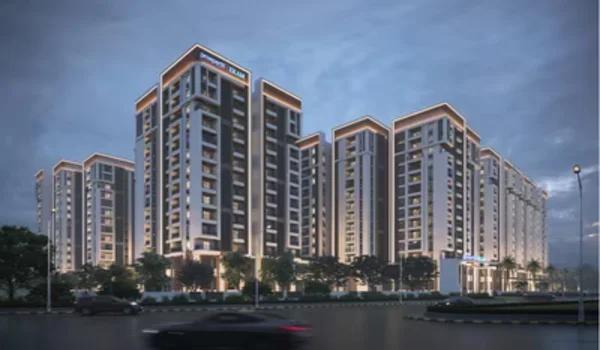
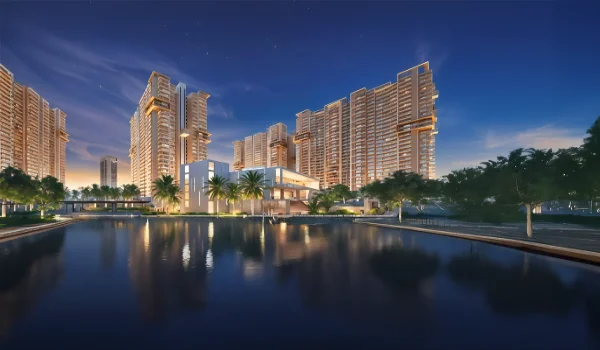
This is also where is located. A 45-floor luxury tower does not come up in a rural area. Godrej Properties chose KPHB Phase 4 because of its full urban infrastructure and strong city connectivity.

The project covers 7.76 acres. It has 2 towers of 45 floors each. Total units are 1,428. Sizes run from 1,588 sq ft to 3,261 sq ft. Prices start at ₹2.10 Crores. RERA number is P02200010981. Possession is June 2031.

Rural vs Urban — How Kukatpally Compares


This table shows the difference clearly.

Feature Rural Area Kukatpally
Population density Under 500 per sq km 33,076 per sq km
Roads Unpaved or narrow NH 65, 6-lane highway
Metro No 3 Red Line stations
Governance Panchayat GHMC city zone
Hospitals 1 to 2 small clinics 10+ multi-specialty hospitals
Malls None Lulu Mall, Forum Sujana, Manjeera
High-rise buildings None 45-floor towers
Schools 1 to 2 government schools 39+ educational institutions
Internet and mobile Patchy Full 4G and 5G coverage

There is no comparison. Kukatpally is a fully developed urban zone.

What About the Older Parts of Kukatpally?


Some inner lanes in older KPHB phases have narrow roads and older buildings. People sometimes confuse this with a semi-urban or undeveloped feel.

But narrow lanes do not mean rural. They mean old urban. Many parts of Mumbai, Delhi, and Kolkata have narrow inner lanes. They are still fully urban. High density, active commerce, and city services — that is what defines urban. Kukatpally has all three everywhere.

The newer parts of Kukatpally, especially KPHB Phase 4 and areas along NH 65, are as modern as any urban zone in Hyderabad.

Why Does This Matter for Home Buyers?


When you buy in an urban area, you get things rural and semi-urban areas cannot give you.

You get Metro access. You get GHMC city services. You get a legal framework that is strong and well-managed. You get hospitals, schools, and shops at arm's length. And your property holds value because urban land is scarce and always in demand.

Kukatpally gives you all of this. It is fully inside Hyderabad city limits. It has been a GHMC zone since 2007. Your property here has the same legal protection and city-level services as any part of Hyderabad.

That is a big reason why flat prices here have risen 127.1% over the last ten years. Urban, well-connected land inside a growing city keeps going up. It does not go down.

Godrej Properties Prelaunch Project is Godrej Brooklyn Avenue.

FAQs


1. Is Kukatpally rural or urban?

Kukatpally is fully urban. It is a GHMC zone inside Hyderabad city. It has a population density of 33,076 people per sq km — the highest in Hyderabad. It has 3 Metro stations, a national highway (NH 65), large malls, hospitals, and high-rise buildings. There is nothing rural about it. It has been a part of Hyderabad city since 2007.
2. Does Kukatpally have a village feel or a city feel?

It has a strong city feel. The main roads are busy all day. Malls, markets, and office buildings line the roads. Metro trains run through the area. You will see high-rise apartments, branded shops, and large hospitals. The inner lanes of older KPHB phases feel like a packed city neighbourhood — not a village.

3. Is KPHB Colony urban or semi-urban?

KPHB Colony is fully urban. It was built as a planned residential colony by the Telangana Housing Board. It is one of Asia's largest planned residential hubs. It has proper roads, water supply, electricity, and GHMC services. The JNTU College Metro Station is inside KPHB. It is a complete urban neighbourhood.

4. What is the population density of Kukatpally?

Kukatpally has a population density of 33,076 people per sq km. That is the highest population density of any suburb in Hyderabad. The total population is around 2.52 lakh across an area of 20.68 sq km. This level of density is only found in mature urban zones.

5. Is it safe to buy property in Kukatpally as an urban investment?

Yes. Kukatpally is a GHMC zone. All properties here fall under Hyderabad city rules and RERA protection. Flat prices have grown 127.1% over ten years. The area has full Metro access, NH 65 connectivity, and big hospitals and schools nearby. It is a stable, well-governed urban market with strong long-term demand.

6. What is the biggest proof that Kukatpally is urban?

The biggest proof is what is being built here. Lodha Bellezza — Hyderabad's first building above 150 metres — was built in Kukatpally in 2014. Godrej Properties launched a 45-floor luxury tower here in 2026. ASBL paid ₹235 Crores for a single land plot here. These things only happen in prime urban locations. Nobody invests this kind of money in a rural or semi-urban area.

Godrej Brooklyn Avenue Blog


Enquiry
Enquire Now