Kukatpally vs Gachibowli - Comparison
Published On: 25 June 2026
Kukatpally and Gachibowli sit on either side of west Hyderabad's growth story, and buyers often pit them against each other before committing. They are roughly 10 to 14 km apart, yet they play very different roles. Kukatpally is the established, metro-anchored, premium residential catchment with a mature social fabric; Gachibowli is the city's prime IT and Financial-District hub, the beating heart of the tech corridor, where you live close to your workplace and pay a premium for it. This comparison weighs the factors that decide most purchases — price, connectivity, social infrastructure and appreciation — and closes with a clear view of who each locality suits. If you are evaluating a specific home, the metro-side launch Godrej Brooklyn Avenue by Godrej Properties sits firmly in the Kukatpally camp, offering residential calm with a reasonable commute to the Gachibowli employment belt.
Quick Comparison Table
| Factor | Kukatpally | Gachibowli |
| Positioning | Established premium residential catchment | Prime IT / Financial-District hub |
| Indicative price band | Premium, yet lower than Gachibowli | Among the highest in the city |
| Metro | Operational — JNTU College on Red Line | Not directly served the way Red Line serves Kukatpally (verify) |
| Road connectivity | KPHB Main Road, NH-65, ORR access | Excellent ORR access; core of tech corridor |
| Social infrastructure | Mature — malls, Remedy Hospital, schools | Strong, office-led; premium retail & dining |
| Density / character | Urban, low-density premium pockets, residential calm | Dense, work-driven, high footfall |
| Appreciation driver | Metro proximity, brand launches, value gap | IT job density, rental demand |
Figures are indicative; verify live prices on property portals and the Telangana RERA portal, as of 2026.
Price — Value vs Workplace Premium
Price is the sharpest line between the two. Gachibowli commands among the highest price bands in Hyderabad because demand from the IT and Financial-District workforce is relentless and the supply of "walk-to-work" homes is finite. Kukatpally is premium in its own right — boutique luxury launches sit around ₹12,500 per sq.ft — but it is generally more affordable than comparable Gachibowli inventory. For the same budget, a buyer typically secures a larger or better-positioned home in Kukatpally than in the Gachibowli core. The flip side is that Gachibowli's pricing reflects its job proximity and rental yields, so end-users who work in the tech corridor often accept the premium for the time it saves them.
Connectivity — Metro vs Office Proximity
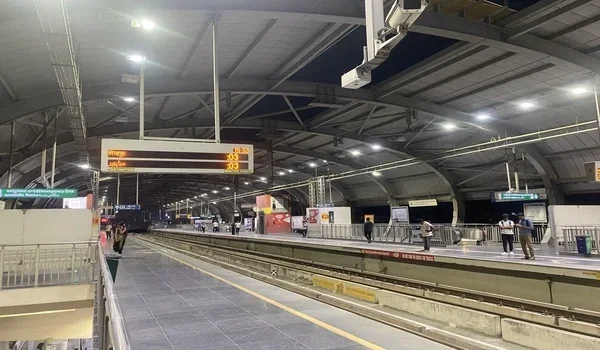
Each locality has a different connectivity advantage. Kukatpally enjoys operational metro: JNTU College Metro Station on the Red Line is within easy reach of the core, giving traffic-free access to Ameerpet, Miyapur and central Hyderabad, while KPHB Main Road and the Outer Ring Road link it onward to HITEC City, Gachibowli and the Financial District — roughly a 30-minute drive to the Financial District via the ORR. Gachibowli's strength is being inside the employment cluster itself, with excellent ORR connectivity, although it is not directly served by the metro the way the Red Line serves Kukatpally (verify the latest network status). For a daily commuter the calculus is simple: if your office is in Gachibowli, living there saves the commute; if you value a one-seat metro ride and citywide reach, Kukatpally wins. You can read more on location and connectivity for the Kukatpally side.
Social Infrastructure — Mature Residential vs Office-Led
Kukatpally carries a deep, settled social fabric built for everyday family life: established malls such as Forum Sujana and Lulu Mall nearby, Remedy Hospitals roughly 2.9 km from the Godrej Brooklyn Avenue locality, and a dense cluster of reputed schools and colleges. Gachibowli's infrastructure is strong but office-led — premium retail, dining and international-grade campuses for Microsoft, Wipro and other major employers — geared more to a working population than to multi-generation households. Families wanting schools, hospitals and daily retail within a short, calm radius lean Kukatpally; professionals who want a vibrant, work-centric neighbourhood lean Gachibowli.
Appreciation — Value Catch-up vs Job-Led Demand
Both localities appreciate, but for different reasons. Gachibowli's growth is powered by sustained IT job density and high rental demand from the tech workforce, which keeps capital values firm and yields healthy. Kukatpally's growth is powered by metro proximity — often cited at a 10 to 30% premium over comparable non-metro pockets — continued entry of national developers, and the value gap that lets it catch up as the broader corridor matures. Risk-averse end-users and value-seekers tend to prefer Kukatpally's combination of certainty and headroom; investors chasing rental yield from IT tenants gravitate to Gachibowli. Our deeper read on whether Kukatpally is worth investing in expands on the metro-led appreciation case.
Who Should Buy Where
- Choose Kukatpally if — you want operational metro access, mature malls, hospitals and schools within a short radius, brand-backed premium homes, better value per sq.ft, and a reasonable commute to the Gachibowli employment belt with residential calm at home. Metro-side launches like Godrej Brooklyn Avenue fit here.
- Choose Gachibowli if — you work in the IT or Financial-District corridor and want to live next to your workplace, you prioritise rental demand and job proximity, and you are comfortable paying among the highest price bands in the city for that convenience.
If you want to weigh Kukatpally against the wider tech corridor too, see our companion comparison of JNTU College Metro Station access, which explains why operational metro is such a decisive everyday advantage for Kukatpally buyers.
Frequently Asked Questions about Kukatpally vs Gachibowli
1. Is Kukatpally or Gachibowli better to buy in 2026?
Neither is universally better — it depends on priorities. Kukatpally wins on value, operational metro and a mature residential infrastructure, making it the stronger end-user and value-buyer choice. Gachibowli wins on job proximity and rental demand for those working in the IT and Financial-District corridor. Match the locality to your budget and your daily commute.
2. Is Gachibowli more expensive than Kukatpally?
Generally yes. Gachibowli sits among the highest price bands in Hyderabad because of relentless demand from the tech workforce. Kukatpally is premium too — boutique launches sit around ₹12,500 per sq.ft — but it is usually more affordable than comparable Gachibowli inventory, so you often get more home for the same budget. Confirm current rates on property portals, as of 2026.
3. Which is better for IT professionals working in Gachibowli?
If living next to the office is the priority, Gachibowli is hard to beat — you minimise the commute and stay inside the employment cluster. That said, many IT professionals choose Kukatpally for better value, a calmer residential setting and operational metro, accepting a roughly 30-minute drive to the Financial District via the ORR in exchange for a stronger home and lower cost.
4. Does Kukatpally have better metro access than Gachibowli?
Yes, on current operations. Kukatpally is served by JNTU College Metro Station on the operational Red Line, while Gachibowli is not directly served by the metro the way the Red Line serves Kukatpally. Gachibowli relies on excellent ORR road connectivity instead. Verify the latest network status with official metro sources, as of 2026.
5. Which area appreciates more?
Both appreciate, for different reasons. Gachibowli is driven by IT job density and high rental demand, which keeps values firm. Kukatpally benefits from metro proximity — often cited at a 10 to 30% premium over non-metro pockets — national-developer launches and a value gap that supports catch-up growth. Value-seeking end-users often favour Kukatpally; yield-focused investors often favour Gachibowli.
Godrej Brooklyn Avenue Blog