Kukatpally vs KPHB - Comparison

Published On: 25 June 2026
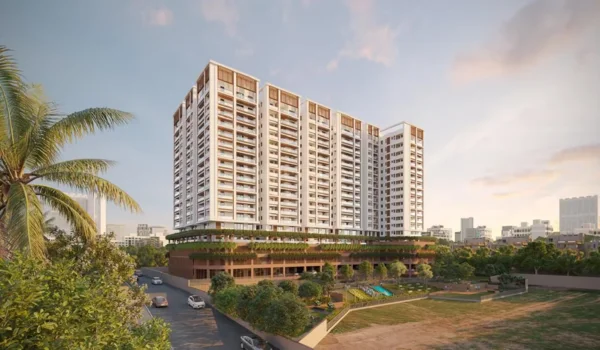
"Kukatpally vs KPHB" is a slightly misleading way to frame a search, because the two are not far-apart rivals — KPHB, short for Kukatpally Housing Board, is a colony that sits squarely within the greater Kukatpally belt of west Hyderabad. They overlap heavily, share the same postal identity in everyday use, and a home in one is often a short walk or a few minutes' drive from the other. What buyers are really comparing is character: the established, dense, retail-heavy KPHB colony pocket versus the newer, lower-density boutique high-rise pockets of greater Kukatpally, especially the stretch near JNTU. This guide treats that honestly — price, connectivity, social infrastructure, density and appreciation — and ends with a plain view of who each pocket suits. If you are weighing a specific new home in the area, the metro-side launch Godrej Brooklyn Avenue by Godrej Properties (RERA approved No. P02200010981) sits in one of these newer Kukatpally pockets rather than in the older colony core.
Quick Comparison Table
| Factor | Greater Kukatpally (newer pockets) | KPHB Colony |
| Positioning | Newer boutique high-rise pockets | Established, vibrant colony core |
| Indicative price band | Premium new build (~₹12,500 per sq.ft) | Established mid-premium |
| Metro | JNTU College on Red Line — operational | JNTU College on Red Line — operational |
| Road connectivity | KPHB Main Road, NH-65, ORR access | KPHB Main Road, internal colony grid |
| Social infrastructure | Malls, Remedy Hospital, schools nearby | Dense retail, food, shopping on KPHB Main Road |
| Density / character | Lower density, ~70% open-space formats | High density, very vibrant, older established |
| Appreciation driver | New low-density product, brand launches | Rental demand, retail buzz, liquidity |
Figures are indicative; verify live prices on property portals and the Telangana RERA portal, as of 2026.
Price — New Premium vs Established Mid-Premium
Because both share the same broader address, the price difference comes down to product rather than postcode. The newer pockets of greater Kukatpally, near JNTU and the Godrej Brooklyn Avenue site, carry boutique luxury high-rise inventory with base rates around ₹12,500 per sq.ft, reflecting newer construction, low-density formats and brand premiums. The KPHB colony core, being older and more built-out, generally trades at established mid-premium rates — you are buying into a mature, liquid resale market with strong tenant interest rather than into a fresh launch. Neither is simply "cheaper"; you pay a new-build premium in the boutique pockets and an established-address premium in the colony. Our Kukatpally property rates guide for 2026 breaks the bands down further.
Connectivity — Shared, Not Split
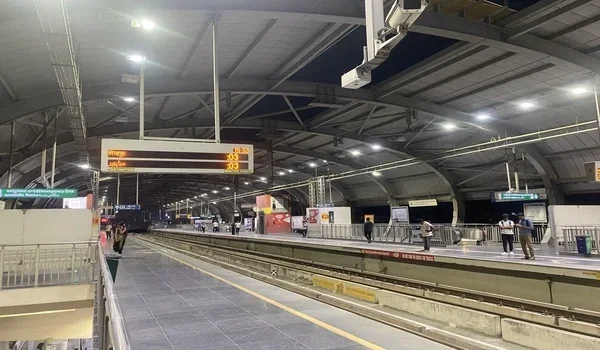
This is where the overlap is clearest: both greater Kukatpally and KPHB share the same connectivity spine. The JNTU College Metro Station on the operational Red Line serves both, giving traffic-free access to Ameerpet, Miyapur and central Hyderabad. KPHB Main Road runs through and links both pockets, and the Outer Ring Road and NH-65 connect the wider area to HITEC City, Gachibowli and the Financial District. There is no meaningful metro advantage of one over the other — the difference is internal, with the colony grid being denser and busier with daily retail traffic, while the newer pockets sit slightly off the busiest commercial stretches.
Social Infrastructure — Buzz vs Calm
KPHB colony is one of west Hyderabad's most vibrant retail and food destinations. KPHB Main Road is lined with shopping, restaurants, showrooms and commercial activity, which is exactly why it draws a steady stream of renters and buyers who want buzz and walkable convenience. The newer Kukatpally pockets enjoy the same anchor amenities — Forum Sujana Mall and Lulu Mall serve both, Remedy Hospitals sits roughly 2.9 km away, and reputed schools are within a short radius — but with a calmer, lower-density feel. In short, both share the headline social infrastructure; KPHB simply layers a denser, livelier high-street character on top.
Appreciation — Liquidity vs New-Product Premium
Both pockets are riding the same area-wide tailwinds. The Kukatpally and KPHB belt has been seeing record land deals, and national developers are entering the market, while metro proximity is commonly cited as adding around 10–30% to values over comparable non-metro locations. KPHB colony's appreciation is anchored by its deep rental demand, retail buzz and established resale liquidity — a proven, lower-variability story. The newer Kukatpally pockets draw their upside from scarce new low-density product and brand-backed launches in an area where fresh inventory is limited. Risk-averse and rental-focused buyers often favour the colony's liquidity; those wanting a newer, premium, lower-density home lean to the boutique pockets. For a wider view, see whether Kukatpally is worth investing in.
Who Should Buy Where
- Choose the KPHB colony pocket if — you want a vibrant, retail-heavy, walkable address, strong rental demand and an established, liquid resale market, and you are comfortable with higher density and older surroundings in exchange for energy and convenience.
- Choose the newer Kukatpally pockets if — you want newer construction, boutique low-density high-rises with generous open-space formats (around 70% open space), brand-backed quality and a calmer setting, while still keeping the same metro and KPHB Main Road access. Launches like Godrej Brooklyn Avenue fit here.
- Either way — you stay inside the greater Kukatpally belt, sharing the JNTU College Metro, malls and hospitals, so the decision is about lifestyle and product rather than a trade-off in location.
Frequently Asked Questions about Kukatpally vs KPHB
1. What is the difference between Kukatpally and KPHB?
The difference is mainly character, not distance. KPHB (Kukatpally Housing Board) is a colony within the greater Kukatpally belt. The KPHB colony core is older, denser and a very vibrant retail and food hub along KPHB Main Road, while the newer Kukatpally pockets near JNTU are lower-density boutique high-rises. They overlap and share the same broader address.
2. Is KPHB part of Kukatpally?
Yes. KPHB, short for Kukatpally Housing Board, is a colony located within the greater Kukatpally area of west Hyderabad. It is a sub-area pocket rather than a separate locality, which is why the two names are often used interchangeably and overlap so heavily.
3. Which is better for buying a new apartment?
For brand-new apartments, the newer Kukatpally pockets near JNTU usually have the edge, as they hold the latest boutique low-density high-rise launches with generous open-space formats and base rates around ₹12,500 per sq.ft. The KPHB colony core is more built-out and suits buyers who prefer an established, vibrant address with strong resale liquidity. Verify current options, as of 2026.
4. Do both share the same metro?
Yes. Both greater Kukatpally and the KPHB colony are served by JNTU College Metro Station on the operational Red Line, along with shared access to KPHB Main Road. There is no meaningful metro advantage of one over the other — the connectivity spine is the same.
5. Which has better rental demand?
The KPHB colony pocket generally leads on rental demand. Its dense retail, food and commercial buzz along KPHB Main Road, combined with metro access, makes it highly attractive to tenants and gives it deep, liquid rental activity. The newer Kukatpally pockets also rent well but appeal more to those seeking newer, lower-density premium homes.
Godrej Brooklyn Avenue Blog