Is It Worth Investing in Kukatpally, Hyderabad?

Published On: 24 June 2026
Is it worth investing in Kukatpally, Hyderabad? For most 2026 buyers the answer is yes — provided you buy the right asset at the right entry price. Kukatpally is no longer a fringe western suburb; it is a mature, metro-connected residential market in west Hyderabad with consistent end-user demand, rising rents and a steady appreciation record. The combination of an operational Red Line metro, proximity to the city's largest IT employment clusters and Outer Ring Road access keeps both occupancy and resale liquidity healthy. This page walks through what the numbers actually look like, who should and should not invest here, the real risks, and where a new-launch project like Godrej Brooklyn Avenue sits within that opportunity.
Kukatpally Investment Snapshot — 2026
| Metric | 2026 Range | What It Means for Investors |
| Capital appreciation (annual) | ~10–15% YoY | Above the Hyderabad city average for established belts |
| 5-year cumulative growth | ~50–65% | Driven by metro, IT migration and premium launches |
| Gross rental yield | 3.5%–5.5% | Higher for compact, metro-walkable, well-amenitised units |
| Capital values (premium belt) | ₹12,000–₹19,000/sq.ft | New launches anchor the lower end of this band |
| Tenant demand | Strong & year-round | IT professionals, students near JNTU, dual-income families |
| Resale liquidity | Good | Deep end-user base shortens exit timelines |
The Demand Drivers Behind the Numbers
1. An Operational Metro, Not a Promised One
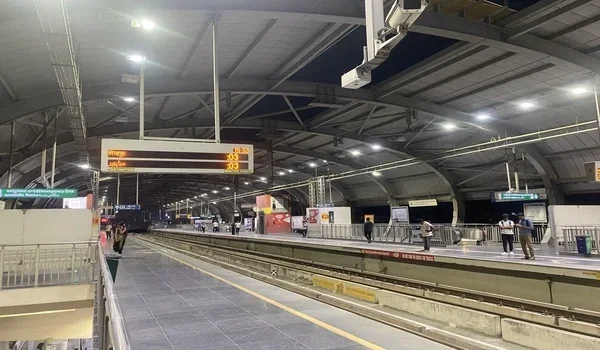
The single biggest value anchor in Kukatpally is that its metro is already running. JNTU College Metro Station on the Red Line is operational, putting Miyapur, Ameerpet and central Hyderabad within a predictable, traffic-free ride. For investors, an operational station is worth far more than a planned one — it removes execution risk and is already priced into tenant willingness-to-pay. Walk-to-metro addresses command a visible rental premium, and that premium tends to hold through market cycles.
2. Proximity to Hyderabad's Largest Job Engines
Kukatpally sits roughly 10–14 km from HITEC City and Gachibowli, the city's dominant IT and corporate clusters, with the Financial District reachable in about 30 minutes via the Outer Ring Road. This is the engine of rental demand. As long as Hyderabad keeps adding technology and global-capability-centre jobs in the western corridor, a metro-connected residence north of those hubs stays in demand for both rent and resale. Investors are effectively buying into the housing catchment of the city's highest-paying employment base.
3. Social Infrastructure That Is Already Built
Remedy Hospitals sits roughly 2.9 km away, schools such as DPS and Sri Chaitanya are within reach, and retail anchors like Forum Sujana Mall and Lulu Mall serve the catchment. Unlike emerging suburbs where amenities are still on paper, Kukatpally's social infrastructure is operational today. That maturity lowers the holding risk: tenants and resale buyers can move in and live fully from day one, which keeps both the rental ledger and the eventual exit price firm.
Rental Yield — A Realistic View
Gross rental yields in Kukatpally typically run between 3.5% and 5.5%. Yields sit at the upper end for compact, well-located, amenity-rich apartments close to the metro, and toward the lower end for larger luxury formats where capital values are high relative to achievable rent. A standard 2 BHK rents in the ₹18,000–₹32,000 range, while 3 BHK homes command ₹28,000–₹55,000, with premium boutique stock going higher. For a yield-focused investor, the sweet spot is a well-built, metro-proximate unit in a managed gated community — the kind of stock that rarely sits vacant. If you want the granular price-per-square-foot picture before you model returns, the current price breakdown is the place to start.
Risk vs Reward
No market is one-directional, and an honest investor weighs both sides. On the reward side, Kukatpally offers a rare blend of mature infrastructure, operational metro connectivity and continued premium launches — a combination that supports both income and appreciation. On the risk side, entry pricing in the boutique-luxury belt has climbed, which compresses yields if you overpay; peak-hour congestion on arterial roads is real; and new-launch supply means timing your entry matters. The mitigation is straightforward: buy from a credible developer, prioritise an under-priced new launch over an over-priced resale, and favour metro-walkable, RERA-registered inventory with clear titles.
Who Should Invest — and Who Should Avoid
Who Should Buy
- Long-term holders — buyers with a 5–7 year horizon who can ride out short-term cycles and capture the full appreciation curve.
- Rental-income investors — those wanting steady, year-round tenancy from IT professionals and families, ideally in metro-proximate, amenity-led projects.
- End-user upgraders — KPHB and older-stock owners moving to newer construction at comparable pricing in the same school and hospital catchment.
- NRI buyers — looking for a managed, brand-backed Hyderabad asset with transparent RERA status and resale liquidity.
Who Should Avoid (or Wait)
- Pure short-term flippers — those expecting to exit within 12–18 months; transaction costs and timing risk can erode thin gains.
- Deep-value-only buyers — if your single criterion is the lowest possible ₹/sq.ft, Kukatpally's premium belt will feel expensive; cheaper peripheries exist, but with weaker connectivity.
- Buyers chasing maximum yield alone — large luxury formats look prestigious but dilute gross yield; right-size the unit to the rent it can actually achieve.
Where Godrej Brooklyn Avenue Fits the Investment Case
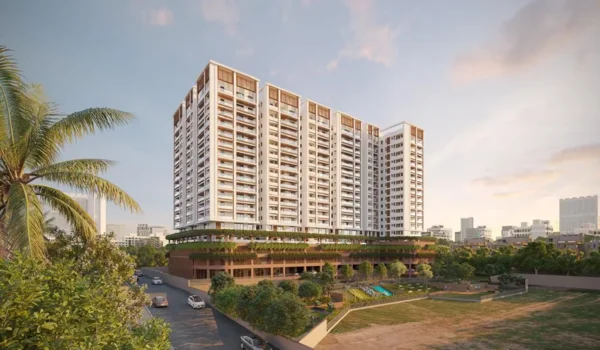
For investors who want exposure to Kukatpally's growth through a credible, brand-backed asset, Godrej Brooklyn Avenue by Godrej Properties is a clean entry point. It is a Telangana RERA approved development (RERA No. P02200010981), launched on 25 May 2026 with possession targeted for June 2031 — which means buyers enter at new-launch pricing of around ₹12,500/sq.ft before the asset is delivered and re-rated. Spread across 7.76 acres with roughly 70% open space, two G+45 towers, 1,428 units, a 75,000 sq.ft clubhouse and 50+ amenities, it offers premium 3 BHK and 4 BHK formats that appeal to the area's HNI and senior-professional tenant base. To understand how the locality's long-run trajectory underpins this entry, the broader Kukatpally real estate context and the detailed floor plan options are worth reviewing before you commit.
Frequently Asked Questions about Investing in Kukatpally
1. Is it worth investing in Kukatpally, Hyderabad in 2026?
Yes, for most long-term buyers. Kukatpally combines an operational Red Line metro, proximity to HITEC City and Gachibowli, mature social infrastructure and a strong rental base. Capital appreciation has run at roughly 10–15% a year, with about 50–65% cumulative growth over five years. The key is to enter at fair value — ideally a credible new launch rather than an over-priced resale — and to hold for at least five years.
2. What rental yield can I expect in Kukatpally?
Gross rental yields generally range from 3.5% to 5.5%. Compact, metro-walkable, well-amenitised units sit at the upper end, while larger luxury formats yield lower because capital values are high relative to achievable rent. A standard 2 BHK rents for roughly ₹18,000–₹32,000 a month and a 3 BHK for ₹28,000–₹55,000, with premium boutique stock higher.
3. What drives property appreciation in Kukatpally?
Three forces drive it: the operational Red Line metro at JNTU College Metro Station, proximity to the western IT corridor (HITEC City and Gachibowli around 10–14 km away with Outer Ring Road access), and continued premium launches by national developers. Mature schools, hospitals and retail keep end-user demand steady, which supports both rents and resale prices.
4. What are the main risks of investing in Kukatpally?
The main risks are paying above fair value in the premium belt (which compresses yield), peak-hour road congestion, and timing your entry against new-launch supply. These are manageable: buy from a credible, RERA-registered developer, favour an under-priced new launch over an over-priced resale, and prioritise metro-walkable inventory with clean titles.
5. Is a new launch like Godrej Brooklyn Avenue a good investment entry?
It can be a strong entry point. Godrej Brooklyn Avenue is Telangana RERA approved (P02200010981), launched on 25 May 2026 with possession in June 2031, priced at around ₹12,500/sq.ft. New-launch pricing ahead of delivery gives investors room for the asset to be re-rated as construction progresses and the locality matures, while Godrej Properties' brand backing supports resale liquidity.
6. Should I invest for rental income or capital appreciation?
Kukatpally supports both, but match the unit to the goal. For rental income, choose a compact-to-mid, metro-proximate, amenity-led unit that stays occupied year-round. For appreciation, a new-launch premium home entered at fair value captures the re-rating as the project is delivered. Many investors aim for a balance, accepting a slightly lower yield in return for stronger long-term capital growth.
Godrej Brooklyn Avenue Blog