Kukatpally vs Kompally - Comparison
Published On: 25 June 2026
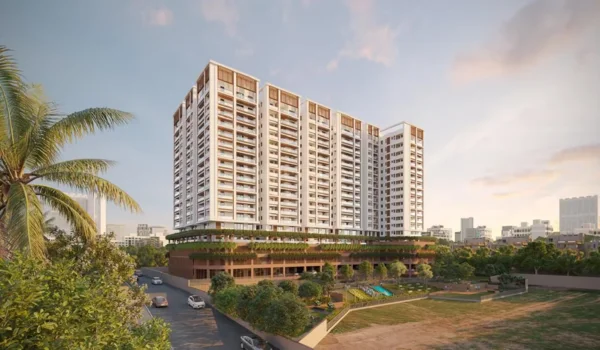
Kukatpally and Kompally sit on opposite ends of north-west Hyderabad's residential map, and buyers comparing them are usually choosing between two genuinely different lifestyles. Kukatpally is the established, metro-anchored premium catchment in the west, close to the IT corridor and wrapped in mature retail and healthcare. Kompally lies further north along NH-44, near the Outer Ring Road — more affordable, greener and lower-density, with a strong tilt toward villas and gated communities. This comparison weighs the factors that decide most purchases — price, connectivity, social infrastructure and appreciation — and ends with a fair view of who each locality suits. If you are evaluating a specific home on the metro side, the launch Godrej Brooklyn Avenue (RERA No. P02200010981) by Godrej Properties sits firmly within the Kukatpally catchment, while Kompally appeals to space- and budget-led buyers.
Quick Comparison Table
| Factor | Kukatpally | Kompally |
| Positioning | Established premium west catchment | Affordable, spacious north locality |
| Indicative price band | Higher (boutique luxury heavy) | Lower entry point per sq.ft. |
| Metro | Operational — JNTU College on Red Line | No operational line yet (verify) |
| Road connectivity | KPHB Main Road, NH-65, ORR access | NH-44, ORR access, north corridor |
| Social infrastructure | Mature — malls, Remedy Hospital, schools | Strong schools; retail still maturing |
| Density / character | Urban, low-density premium pockets | Greener, lower-density, villas & gated |
| Appreciation driver | Metro proximity, IT-corridor demand | Affordability, space, new infrastructure |
Figures are indicative; verify live prices on property portals and the Telangana RERA portal, as of 2026.
Price — Premium vs Value
Price is the clearest dividing line. Kukatpally's core carries premium and boutique-luxury inventory, with newer launches commanding base rates around ₹12,500 per sq.ft and above. That reflects the operational metro, the mature retail and healthcare network, and strong resale liquidity. Kompally typically offers a noticeably lower entry point per sq.ft, which is precisely why value-segment and space-seeking buyers gravitate there — you get more built-up area, an independent villa, or a newer gated community for the same outlay. The trade-off is that Kompally's per-sq.ft premium for connectivity and address has not yet caught up with Kukatpally's, though that gap is part of what gives the northern belt its longer appreciation runway.
Connectivity — Metro vs Highway
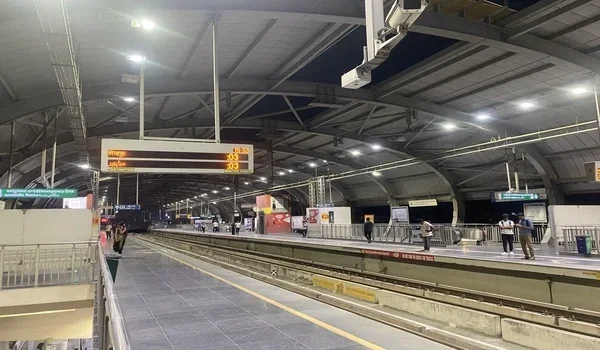
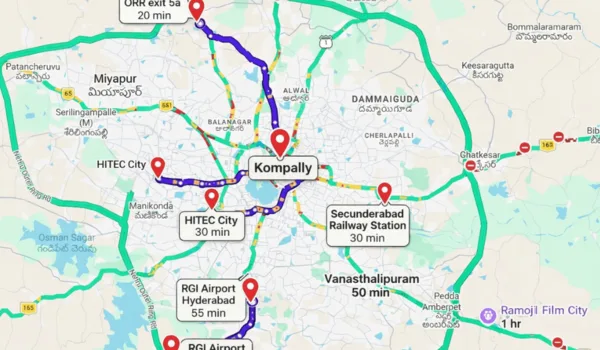
Connectivity is where Kukatpally pulls ahead today. JNTU College Metro Station on the Red Line is operational and within easy reach of the Kukatpally core, giving traffic-free access to Ameerpet, Miyapur and central Hyderabad. KPHB Main Road and the Outer Ring Road link Kukatpally to HITEC City, Gachibowli and the Financial District, which sit roughly 10–14 km away. Kompally relies primarily on the road network — NH-44 and ORR access feed the northern corridor — and does not yet have an operational metro line. Proposed extensions under Metro Phase 2 may improve the north corridor over time, but this remains to be confirmed, so verify the latest status before deciding. For a daily IT or corporate commuter, Kukatpally's metro and IT-corridor proximity are decisive everyday advantages, while Kompally's commute to the tech hubs is longer.
Social Infrastructure — Mature vs Maturing
Kukatpally has the deeper, more mature social fabric: established malls such as Forum Sujana and Lulu Mall nearby, Remedy Hospitals roughly 2.9 km from the Godrej Brooklyn Avenue locality, and a dense cluster of reputed schools and colleges within a short radius. Kompally's standout strength is its calmer, greener setting alongside a reputation for good schools, which makes it popular with families seeking a quieter lifestyle and more breathing space. Its retail, dining and hospital network is still filling in, so errands can mean a longer drive. Buyers who want everything within minutes lean Kukatpally; those who prize a peaceful, low-density environment lean Kompally.
Appreciation — Proven Floor vs Higher Upside
Both localities have appreciation tailwinds, but of different shapes. Kukatpally offers a higher, more proven floor: metro-proximity premiums (often cited at 10–30% over comparable non-metro pockets), steady demand from the nearby IT corridor, and the continued entry of national developers support lower-risk growth. Kompally offers higher percentage upside from a lower base as its infrastructure catches up, helped by region-wide projects — the Regional Ring Road expected around 2026 and Metro Phase 2 around 2027 should benefit the wider north and north-west — but with more variability. Risk-averse buyers and end-users tend to prefer Kukatpally's certainty; investors hunting for the next leg of growth often add Kompally exposure. Our deeper read on whether Kukatpally is worth investing in expands on this.
Who Should Buy Where
- Choose Kukatpally if — you want operational metro access via JNTU College Metro Station, mature malls, hospitals and schools within a short radius, brand-backed premium homes, closer proximity to HITEC City and Gachibowli, and a proven, lower-risk appreciation story. Metro-side launches fit here.
- Choose Kompally if — you are budget-conscious, want more space, a villa or a newer gated community for the same money, prefer a greener and quieter low-density setting, and are comfortable trading today's metro access and a longer IT-corridor commute for affordability and tomorrow's growth upside.
If you want a locality-level deep dive on the northern side, see our Kompally real estate guide for 2026, which covers price bands, villas and connectivity in detail while keeping the comparison honest.
Frequently Asked Questions about Kukatpally vs Kompally
1. Is Kukatpally or Kompally better to buy in 2026?
Neither is universally better — it depends on priorities. Kukatpally wins on operational metro, mature infrastructure, IT-corridor proximity and a proven appreciation floor, making it the safer end-user and premium-buyer choice. Kompally wins on affordability, space, villas and a calmer low-density lifestyle, with higher percentage upside from a lower base. Match the locality to your budget and commute.
2. Is Kompally cheaper than Kukatpally?
Generally yes. Kompally offers a lower entry point per sq.ft than Kukatpally's premium core, where boutique launches sit around ₹12,500 per sq.ft. That price gap, plus more spacious villa and gated-community options, is the main reason value-segment and space-seeking buyers prefer Kompally. Confirm current rates on property portals, as of 2026.
3. Does Kompally have metro connectivity?
Not yet operational. Kukatpally already has JNTU College Metro Station on the Red Line. Kompally currently depends on road connectivity via NH-44 and ORR access through the northern corridor, though Metro Phase 2 extensions may improve the area in future. Verify the latest status with official metro sources, as of 2026.
4. Which is better for the IT-corridor commute?
Kukatpally is the stronger choice for IT commuters. It sits roughly 10–14 km from HITEC City and Gachibowli, with operational metro and ORR links easing the journey. Kompally lies further north along NH-44, so the drive to the tech hubs is typically longer. Daily corridor commuters usually find Kukatpally more convenient.
5. Which area will appreciate more?
Kukatpally offers steadier, lower-risk appreciation backed by metro proximity, IT-corridor demand and national-developer launches. Kompally can deliver higher percentage gains from a lower base as the Regional Ring Road and Metro Phase 2 mature the northern corridor, but with more variability. Risk-averse end-users prefer Kukatpally; growth-seeking investors often favour Kompally. Verify project timelines, as of 2026.
Godrej Brooklyn Avenue Blog