West Hyderabad
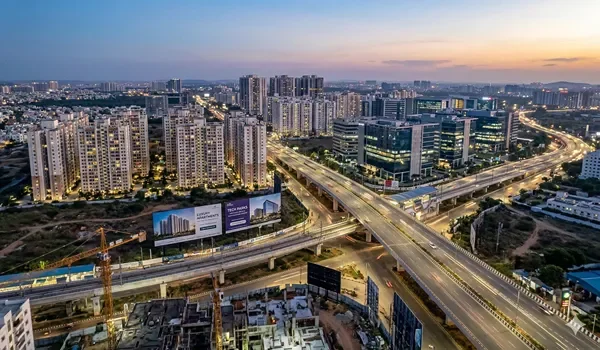
West Hyderabad is the city's most established residential quadrant. It is a deep, mature catchment. The footprint covers Kukatpally, Jubilee Hills, Madhapur, KPHB and HITEC City. The KPHB Main Road corridor (Kukatpally, Madhapur, Nizampet) and surrounding areas are also included. For decades it has been Hyderabad's default residential choice. The typical buyers are established families, professionals and HNI buyers. They seek quality social infrastructure paired with newer connectivity.
Key Neighbourhoods in West Hyderabad
| Neighbourhood | Profile | Indicative Price Range (₹/sq.ft.) |
| Kukatpally | Mature, planned residential — established schools and hospitals | ~₹13,000 – ₹18,000 |
| Jubilee Hills | Premium residential with newer construction in Phase 7–9 | ~₹12,000 – ₹16,000 |
| Madhapur | Mid-segment with deep daily-needs retail and education | ~₹15,000 – ₹19,000 (premium tier) |
| Bachupally | Established residential with senior demographic | ~₹10,000 – ₹13,500 |
| HITEC City | Healthcare cluster + mid-segment residential | ~₹10,000 – ₹13,500 |
| KPHB Main Road (Kukatpally, Madhapur) | Emerging upscale belt with metro access | ~₹15,000 – ₹19,000 (premium tier) |
| Nizampet | Mid-segment with newer apartment launches | ~₹10,000 – ₹13,000 |
| Miyapur | Established residential close to the Red Line terminus | ~₹14,000 – ₹19,000 |
| Jubilee Hills | Newer tech-belt premium residential (sometimes classified as south-east) | ~₹12,000 – ₹17,000 |
Why West Hyderabad Matters
1. Most Mature Social Infrastructure
West Hyderabad's school, hospital and retail ecosystem is among the deepest in the city. Reputed institutions are concentrated here. These include Delhi Public School Hyderabad, Vignan Schools, JNTU Hyderabad and Gokaraju Rangaraju Institute of Engineering. Healthcare anchors are Remedy Hospitals and Apollo Hospitals (HITEC City). Retail anchors are Forum Sujana Mall Kukatpally and Manjeera Mall. New residential buyers gain access to established infrastructure from day one.
2. Metro Coverage Across Most Sub-Markets
Hyderabad Metro Red Line runs along the LB Nagar–Miyapur corridor in West Hyderabad. The line is operational, with stations including JNTU College, KPHB Colony, Kukatpally and Moosapet along the Kukatpally stretch, and Miyapur as the western terminus.
3. Outer Ring Road Access
Outer Ring Road is the orbital ring road wrapping south and west Hyderabad. It gives west-Hyderabad catchments fast access to Madhapur, the Gachibowli Financial District and NH 65 (Mumbai Highway). Most west-Hyderabad sub-markets sit within 5 km of an Outer Ring Road junction.
4. Established Newer Tech Anchors
West Hyderabad isn't a tech-belt in the HITEC City sense. But it hosts Cyber Gateway, Kalyani Planet Tech Park and Cyber Gateway. The upcoming Cyber Towers HITEC City Campus near Kukatpally adds to this list. Together these create local employment. That anchors tenant demand within the catchment rather than requiring cross-city commutes.
5. Lifestyle and Climate
West Hyderabad is widely considered Hyderabad's most "liveable" quadrant. The drivers are clear. Older planned layouts. Broader streets. More park area per capita. A slightly cooler microclimate due to elevation. Easier access to weekend escapes. These include Hussain Sagar, HITEC City Aerospace SEZ greens, and Ananthagiri Hills (weekend escape).
Active Real-Estate Trends in West Hyderabad
- Boutique-format launches: Limited-inventory upscale projects (~200–400 units) like Godrej Brooklyn Avenue at Kukatpally are replacing mass-format projects.
- Metro-walk premium: Sub-markets within walking distance of metro stations are commanding 8–12% pricing premium against comparable non-metro catchments.
- Resale-market activity: Kukatpally and Jubilee Hills see consistent resale demand from buyers who'd otherwise look at new launches but value the mature infrastructure.
- Family-buyer migration south: Families with school-age children migrating from central and west Hyderabad for the lower commute friction and school catchment depth.
- NRI demand: West Hyderabad is one of Hyderabad's strongest NRI-buyer catchments, supported by the social infrastructure and brand-developer presence.
West Hyderabad vs Other Quadrants
| Attribute | West Hyderabad | West Hyderabad | North Hyderabad |
| Primary demand driver | Established residential / lifestyle | Tech-belt employment | Airport-belt employment |
| Indicative price range | ₹10,000 – ₹19,000/sq.ft. | ₹11,000 – ₹17,000/sq.ft. | ₹8,000 – ₹12,000/sq.ft. |
| Metro coverage | Red Line (operational) + Phase-3 | Blue Line (operational) | Phase-3 (upcoming) |
| School / hospital depth | Highest | High | Moderate |
| Rental yield (gross) | 3.5% – 5.5% | 3.5% – 5.5% | 3.0% – 5.0% |
| Average commute friction | Moderate | High (peak hours) | Moderate |
Godrej Brooklyn Avenue in West Hyderabad Context
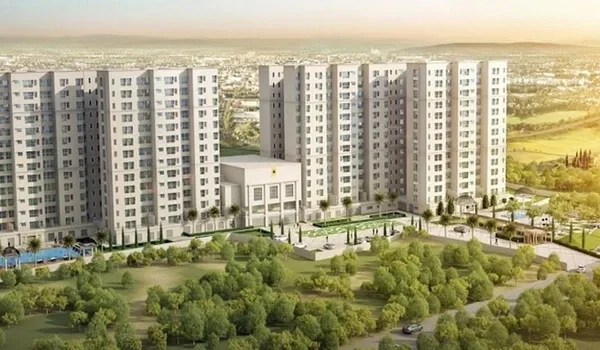
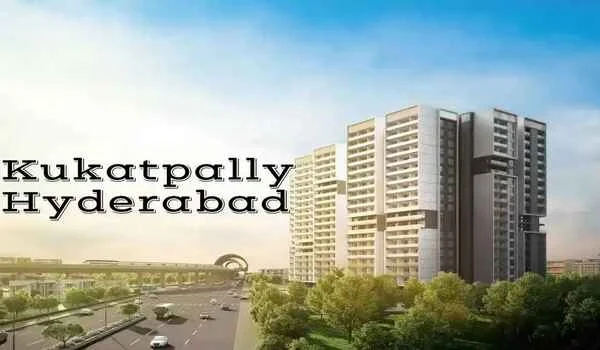
Godrej Brooklyn Avenue sits at the upscale-boutique end of west Hyderabad's residential spectrum. The project covers 7.76 acres, 2 iconic towers and 1,428 luxury residences. It sits at Kukatpally along KPHB Main Road. The pre-launch warm-up rate of ₹12,500/sq.ft. positions it at the upper end of the Kukatpally corridor's price band. The justification is clear. Boutique 1,428-unit format. 280-metre metro walk. 75,000 sq.ft. clubhouse. Within west Hyderabad's broader landscape, it sits closer to Jubilee Hills / Banjara Hills pricing tier on amenities and infrastructure access. It also offers newer construction.
Frequently Asked Questions about West Hyderabad
1. What makes west Hyderabad different from other quadrants?
West Hyderabad is the city's most established residential quadrant. It has the deepest social infrastructure. Features include older planned layouts, mature school and hospital ecosystems, broader streets and a slightly cooler microclimate. It's the default choice for families and HNI buyers who prioritise liveability over tech-belt proximity.
2. Which west-Hyderabad neighbourhoods are most established?
Kukatpally and Jubilee Hills are the most mature. Madhapur, KPHB and Miyapur follow. The KPHB Main Road corridor is the newer extension of west Hyderabad. It includes Kukatpally, Madhapur and Nizampet. It has matured rapidly with the metro extension.
3. How does west Hyderabad compare with HITEC City for investment?
HITEC City offers higher tech-belt rental demand but also higher commute friction during peak hours. West Hyderabad offers slightly lower yields but stronger end-user demand. Many investors with multi-property portfolios hold both for diversification.
4. What's driving new launches in west Hyderabad?
Several factors drive new boutique-format upscale launches. Metro coverage expansion via the operational Red Line plus Phase-3. Outer Ring Road access. Established social infrastructure. The upcoming Cyber Towers HITEC City Campus near Kukatpally. Land availability is tighter than in north or west Hyderabad. That has pushed developers toward smaller-inventory premium projects.
5. What's the typical commute from west Hyderabad to the HITEC City area tech parks?
ORR-routed commute from west Hyderabad to the HITEC City area tech parks (HITEC City, Gachibowli) typically runs 45–75 minutes depending on time of day. Direct metro routes via Ameerpet Interchange usually clock similar times but with predictable timing.
6. Are property prices in west Hyderabad sustainable long-term?
The catchment's long-term appreciation is supported by three factors. Mature infrastructure. Ongoing metro investment. One of Hyderabad's most consistent end-user demand profiles. Boutique launches like Godrej Brooklyn Avenue sit at the upper end of the price band. They benefit from tighter inventory and brand-developer premium.
Godrej Brooklyn Avenue Blog