Why Hyderabad Is India's Fastest-Growing Property Market
Published On: 25 June 2026
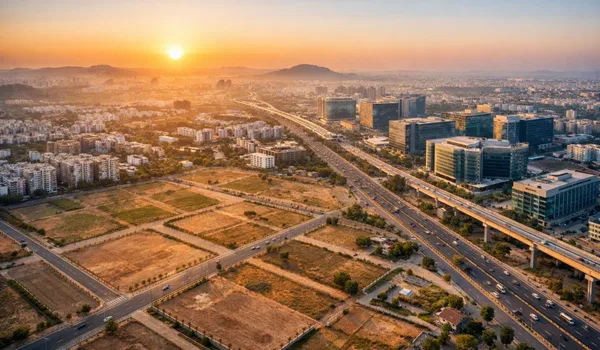
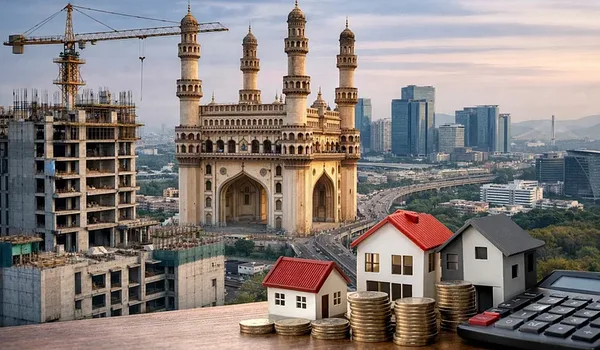
Hyderabad's claim to being among India's fastest-growing property markets is not a marketing line — it rests on a stack of structural advantages that few peer cities can match simultaneously. The city combines a deep IT and life-sciences job base, an unusually well-planned road and metro grid, land availability that keeps prices saner than in most large metros, and a governance reputation that institutional developers trust. Layer on Metro Phase 2 and the Regional Ring Road, and you have a market where demand and supply are both expanding without the pricing extremes seen elsewhere. This page unpacks the real drivers, backs them with a comparison table, names the honest risks, and shows where a metro-served Kukatpally address like Godrej Brooklyn Avenue sits in the story. Figures are directional as of 2026 — verify before acting.
The Six Structural Drivers
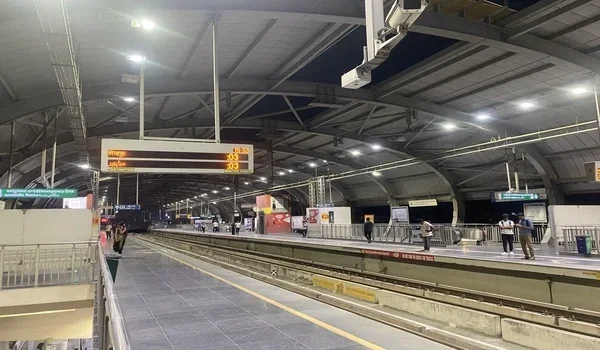
The first driver is jobs. Hyderabad's IT, ITeS, pharma and global-capability-centre ecosystem keeps adding high-paying roles, and housing demand follows payroll. The second is infrastructure — a comprehensive ORR, the Red and Blue metro lines, and now Metro Phase 2 (around 76.4 km, target ~2027) plus the Regional Ring Road (key stretches ~2026). The third is relative affordability: per-square-foot prices remain materially lower than most peer metros for comparable quality. The fourth is land and supply — Hyderabad simply has more developable land, which prevents the runaway scarcity pricing of land-locked metros. The fifth is governance and ease of doing business, which national developers reward by launching here. The sixth is end-user plus NRI depth, which gives the market a stable demand floor rather than a purely speculative one.
Hyderabad vs Peer Metros — Why It Stands Out
| Factor | Hyderabad (2026 read) | Why it drives growth |
| Price per sq.ft | Lower than most peer metros for like quality | Headroom for appreciation |
| Job base | IT, pharma, GCCs expanding | Payroll-led housing demand |
| Road / metro grid | ORR + metro + Phase 2 + RRR | Connectivity premium |
| Land availability | Ample developable land | Avoids runaway scarcity pricing |
| Developer participation | National brands entering | Quality and trust uplift |
| NRI / end-user mix | Deep and rising | Stable demand floor |
The table reflects directional reads as of 2026; verify current pricing and data before transacting. The point is not that any one factor is unique to Hyderabad, but that the combination — affordability plus jobs plus planned infrastructure plus governance — is rare, and that combination is what compounds into outsized growth.
Why West Hyderabad and Kukatpally Lead
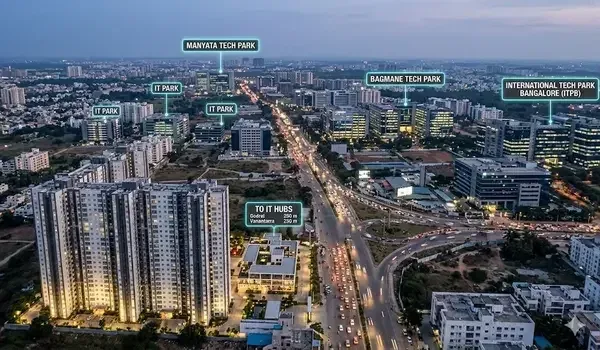
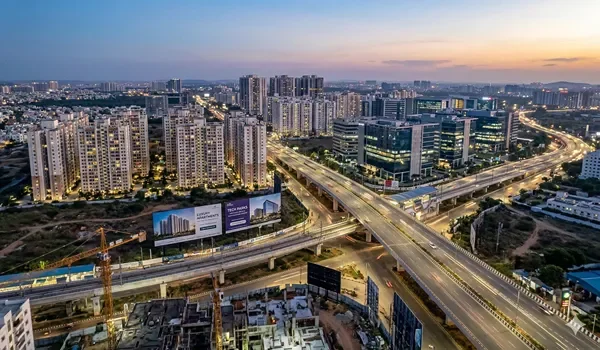
Growth is not uniform across the city — it concentrates where jobs and connectivity meet livable social infrastructure, and west Hyderabad is the clearest example. Kukatpally pairs Red Line metro access at JNTU College with ORR connectivity to the Financial District, mature schools and hospitals, and proximity to the HITEC City–Gachibowli employment belt roughly 10–14 km away. That makes it a primary beneficiary of the same drivers powering the city. Readers can go deeper with our analysis of why NRIs are choosing Hyderabad in 2026 and our locality shortlist of the best areas to invest in Hyderabad.
What It Means for Godrej Brooklyn Avenue Buyers
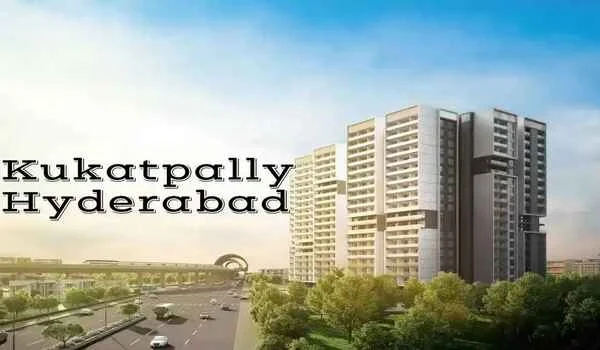
Godrej Brooklyn Avenue by Godrej Properties is a direct expression of the Hyderabad growth thesis — a 7.76-acre, two-tower G+45 community of 1,428 units in Kukatpally, around 70% open space, a 75,000 sq.ft clubhouse and 50-plus amenities, RERA approved under Telangana No. P02200010981 with booking open. Its 3 BHK and 4 BHK homes from 1,588 to 3,261 sq.ft, priced from Rs 2.10 Cr, give buyers a brand-backed entry into the city's strongest western corridor. With possession in June 2031 and a base rate around Rs 12,500/sq.ft, it suits buyers positioned to ride the connectivity and jobs wave rather than chase a quick exit. For timing context, see our note on whether it is a good time to buy property in Hyderabad.
The Honest Counterpoints
- Growth is uneven. The city average masks wide gaps; weak micro-locations underperform even in a strong market. Location selection still decides returns.
- Supply can outrun demand locally. Ample land is a strength for the city but a risk for over-built pockets; favour serviced, metro-led localities.
- Infra timelines drive part of the story. Metro Phase 2 and RRR slippage would delay some appreciation, so buy on present fundamentals, not just future promises.
Frequently Asked Questions about Hyderabad's Property Growth
1. Why is Hyderabad considered one of India's fastest-growing property markets?
It uniquely combines an expanding IT and pharma job base, a planned road and metro grid, relative affordability versus most peer metros, ample developable land and a governance reputation that draws national developers. That mix sustains demand and supply together, producing durable growth as of 2026.
2. Is Hyderabad cheaper than other major metros?
For comparable quality and location, Hyderabad's per-square-foot prices are generally lower than most peer metros, which leaves more headroom for appreciation. Exact gaps vary by micro-market and over time, so compare current quotes for the specific localities you are considering.
3. What role does infrastructure play in Hyderabad's growth?
A large one. The ORR and metro already shape the demand map, and Metro Phase 2 (around 76.4 km, target ~2027) plus the Regional Ring Road (key stretches ~2026) extend that further. Connectivity reliably lifts metro-proximate and corridor localities, which is why west Hyderabad leads.
4. Does Hyderabad's growth benefit Kukatpally directly?
Yes. Kukatpally combines Red Line metro access, ORR connectivity, mature social infrastructure and proximity to the HITEC City–Gachibowli job belt, making it a primary beneficiary of the same drivers powering the city. It is one of the more reliable ways to participate in west Hyderabad growth.
5. Will Hyderabad keep growing or is it a bubble?
The growth is fundamentals-led — jobs, infrastructure and end-user demand — rather than purely speculative, which lowers bubble risk relative to froth-driven markets. The honest caveat is that growth is uneven and over-built pockets can lag, so location and builder quality remain decisive.
Godrej Brooklyn Avenue Blog