Impact of IT/ITeS Growth on Hyderabad Housing Demand
Published On: 25 June 2026
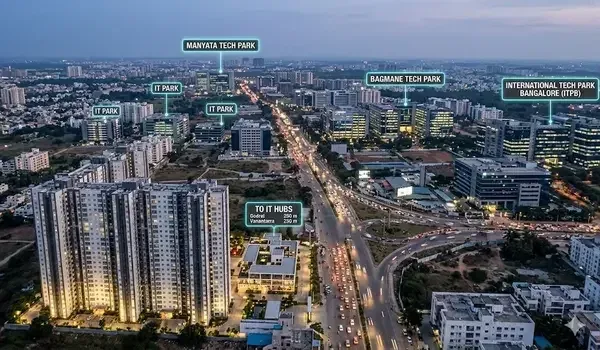
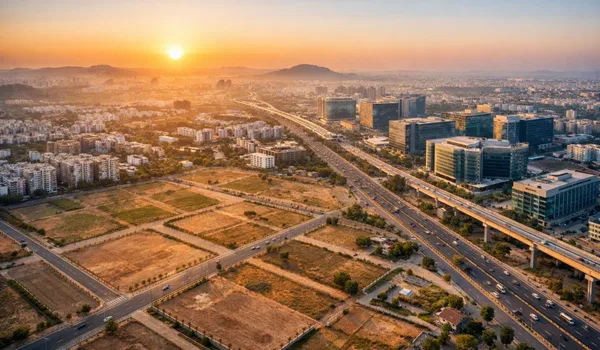
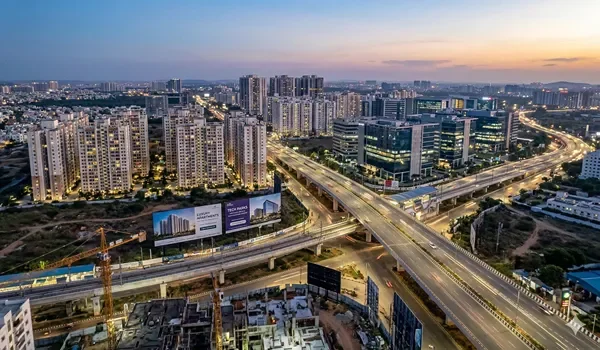
Nothing has shaped Hyderabad's housing market more decisively than its IT and ITeS sector. The clustering of global capability centres, software majors and product firms across HITEC City, Madhapur, Gachibowli and the Financial District created a high-income workforce that needed to live within a reasonable commute — and that single fact drives where prices rise, where rents are strongest and where new launches concentrate. As of 2026, Hyderabad continues to attract office leasing and GCC expansion, which keeps the payroll-backed housing engine running. This page explains exactly how IT growth converts into housing demand, why the western belt captures the lion's share, and how a metro-served Kukatpally address like Godrej Brooklyn Avenue is positioned to benefit. Figures are directional as of 2026; verify before acting.
How IT Jobs Become Housing Demand
The chain is direct. A new GCC or office campus hires thousands of well-paid professionals. Those professionals first rent near work, lifting rental demand and yields in the surrounding belt. As they settle and incomes rise, many convert to buyers, pushing capital values in commute-friendly localities. Developers respond by launching premium inventory where the jobs are, and social infrastructure — schools, hospitals, retail — follows the population. The west of Hyderabad has run this loop for two decades, which is why HITEC City, Gachibowli and adjacent localities command the city's strongest prices and why Kukatpally, sitting a short commute away with metro access, rides the same wave.
IT-Driven Housing Demand — Trend Snapshot
| Driver | Housing effect | Where it lands hardest |
| GCC / office leasing growth | Rising rental + sale demand | HITEC City, Gachibowli, Kukatpally |
| High-income workforce | Shift toward premium 3/4 BHK | Western premium belt |
| Hybrid & back-to-office mix | Demand for larger, amenity-rich homes | Gated communities |
| Metro connectivity | ~10–30% proximity appreciation edge | Metro-served localities |
| NRI tech professionals | Second-home + rental investment | Brand-backed projects |
The reads above are directional as of 2026 and vary by micro-market; verify current rents, yields and prices before transacting. The structural point is that IT employment underpins a stable, payroll-backed demand floor that is far less volatile than purely speculative interest.
Why Kukatpally Captures the IT Demand
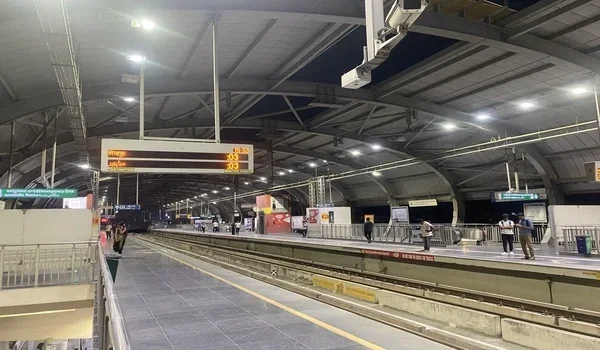
Kukatpally's appeal to the IT workforce is its balance of access and livability. The HITEC City and Gachibowli employment belt sits roughly 10–14 km away, the Financial District is about 30 minutes via the Outer Ring Road, and JNTU College Metro on the Red Line offers a traffic-free alternative to road commuting. At the same time, the locality has mature schools, hospitals and retail that dual-income tech families value. That combination produces both strong rental demand from younger professionals and steady buyer demand from those upgrading to family homes. Readers exploring the rental angle can pair this with our locality view in the best areas to invest in Hyderabad in 2026 and the demand case in why NRIs are investing in Hyderabad.
What It Means for Godrej Brooklyn Avenue Buyers
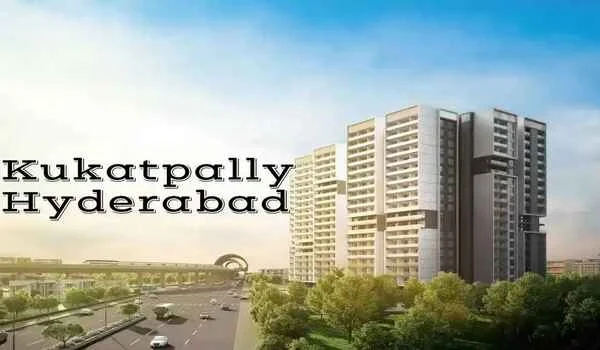
Godrej Brooklyn Avenue by Godrej Properties is built for exactly this IT-led demand profile. It is a 7.76-acre, two-tower G+45 community of 1,428 units in Kukatpally, around 70% open space, with a 75,000 sq.ft clubhouse and 50-plus amenities, RERA approved under Telangana No. P02200010981 with booking open. Its 3 BHK and 4 BHK homes from 1,588 to 3,261 sq.ft, priced from Rs 2.10 Cr, target the senior-professional and dual-income segment that IT growth keeps expanding. For an end-user, the commute math and amenities matter; for an investor, the deep tenant pool of nearby IT and corporate professionals underpins rental demand. Possession is in June 2031, suiting buyers positioned for the sector's continued expansion rather than a quick flip.
Honest Caveats on IT-Led Demand
- Sector cyclicality. IT hiring ebbs and flows with global demand; a slowdown softens rents and absorption at the margin, though Hyderabad's GCC depth cushions the swings.
- Hybrid work shifts demand. Remote and hybrid models can shift preferences toward larger homes further from offices, changing which localities win.
- Commute is decisive. Within the western belt, projects with genuine metro or ORR access hold demand best; poorly connected pockets lag even in a strong sector.
Frequently Asked Questions about IT Growth & Hyderabad Housing
1. How does IT growth affect Hyderabad housing prices?
IT and ITeS hiring creates a high-income workforce that first rents and then buys near workplaces, lifting both rents and capital values in commute-friendly localities. Developers concentrate premium launches where the jobs are, and the western belt — including Kukatpally — captures most of that demand as of 2026.
2. Which Hyderabad localities benefit most from IT jobs?
HITEC City, Madhapur, Gachibowli and the Financial District are the core job hubs, while commute-friendly residential catchments like Kukatpally benefit strongly thanks to metro and ORR access. Metro-served localities tend to see the steadiest rental and resale demand from the tech workforce.
3. Is rental demand strong in Kukatpally because of IT?
Yes. With the HITEC City–Gachibowli belt about 10–14 km away and metro access at JNTU College, Kukatpally draws a deep pool of IT and corporate tenants. That supports rental demand and yields, especially for well-located, amenity-rich gated communities. Verify current yields for any specific project.
4. Does hybrid work reduce housing demand near IT hubs?
Hybrid models shift demand toward larger, amenity-rich homes and can broaden the localities people consider, but they have not eliminated the pull of commute-friendly catchments. Many professionals still value proximity for the days they go in, keeping western belt localities like Kukatpally in demand.
5. Is IT-led housing demand a stable basis for investment?
Payroll-backed demand is more stable than speculative interest, and Hyderabad's deep GCC base cushions sector cycles. The main caveats are IT cyclicality and the importance of genuine connectivity, so favour well-connected, metro-served projects to keep demand resilient through cycles.
Godrej Brooklyn Avenue Blog