Pharma City & Hyderabad's Future Growth Corridors
Published On: 25 June 2026
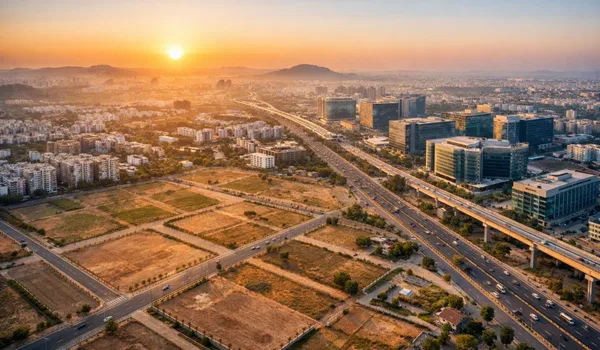
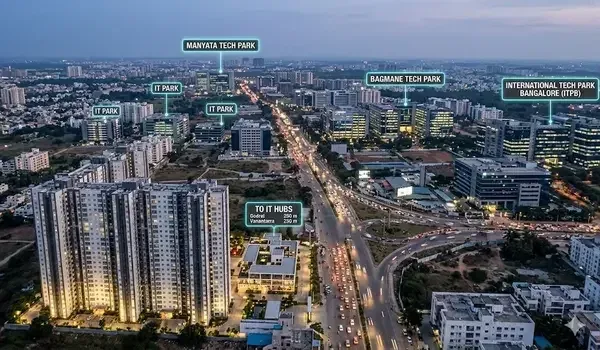
Hyderabad's property map is being redrawn by employment clusters, and the most ambitious of them is Hyderabad Pharma City — a large life-sciences manufacturing zone planned in the city's southern belt that, alongside the long-established Genome Valley in the north, cements the region's status as India's pharma capital. But Pharma City is only one of several corridors shaping where housing demand goes next. The IT-led western belt around HITEC City and the Financial District, the northern Genome Valley and ORR axis, and the eastern and southern industrial spurs each pull demand in different directions. This page maps those corridors, explains how each affects residential value, and — crucially — shows why an established, metro-served core like Kukatpally, home to Godrej Brooklyn Avenue, remains a low-risk way to benefit from city-wide growth. Figures are directional as of 2026; verify before acting.
What Pharma City Is and Why It Matters
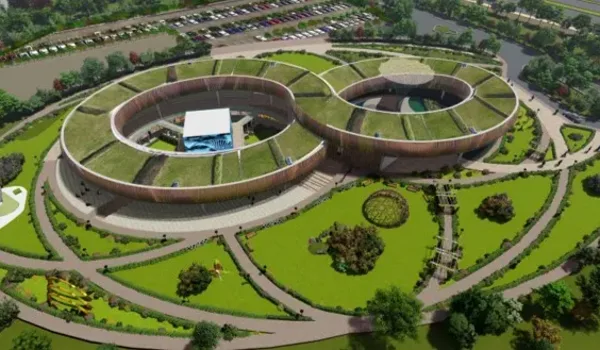
Hyderabad Pharma City is conceived as a very large integrated life-sciences manufacturing and R&D zone in the southern part of the metropolitan region, intended to consolidate bulk-drug and formulation activity at scale (status and footprint as of 2026 — verify current plans, since the project's scope and timeline have evolved over the years). Its real-estate significance is twofold: it concentrates a large new employment base in the south, which seeds residential and rental demand in nearby and feeder localities, and it reinforces Hyderabad's broader pharma identity that already supports Genome Valley in the north. For investors, the key is that pharma corridors create end-user, payroll-backed demand — typically more stable than purely speculative interest.
Hyderabad's Main Growth Corridors at a Glance
| Corridor | Primary engine | Residential read (2026) |
| West (HITEC City / Gachibowli / Kukatpally) | IT & GCCs | Mature, premium, metro-served |
| Financial District / Nanakramguda | BFSI & IT | High-value, jobs-anchored |
| North (Genome Valley / Kompally) | Pharma & life sciences | Established + emerging |
| South (Pharma City / Shamshabad) | Pharma manufacturing + airport | Early-stage, long-horizon |
| East (Uppal / Pocharam) | IT & auto | Affordable, gradual growth |
Reads above are directional as of 2026 and depend on project execution and timelines; verify the latest status before transacting. The pattern across corridors is consistent — established, serviced cores convert employment growth into housing demand fastest and most safely, while greenfield zones offer higher potential return at higher execution risk.
Why Established Cores Beat Greenfield for Most Buyers
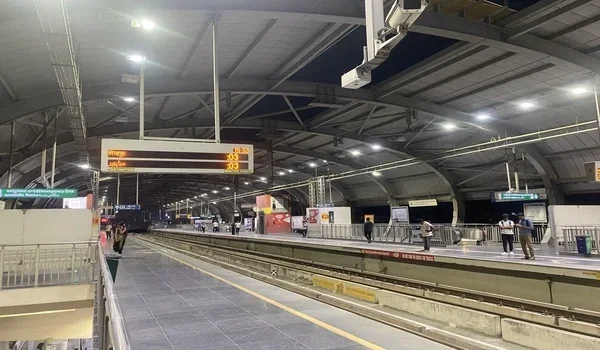
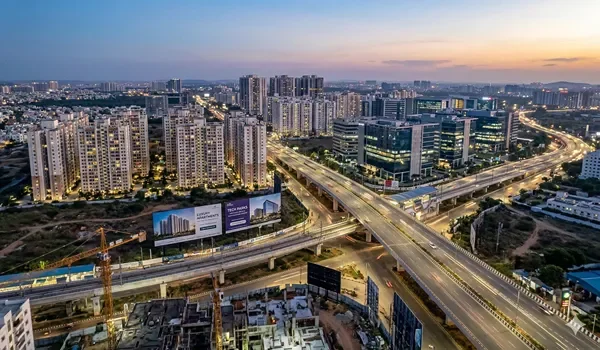
A pharma or IT corridor announcement is exciting, but housing returns depend on when jobs actually arrive and whether the surrounding social infrastructure exists. Greenfield zones like the southern pharma belt can take years to mature, and early buyers shoulder both timing and execution risk. Established cores such as Kukatpally already have the jobs within reach — the HITEC City and Gachibowli employment belt sits roughly 10–14 km away — plus Red Line metro access, schools, hospitals and retail in place today. That is why many investors prefer to capture corridor-driven city growth through a serviced western address rather than raw land near a future zone. For the wider locality view, see our shortlist of the best areas to invest in Hyderabad in 2026 and the demand case in why NRIs are investing in Hyderabad.
What It Means for Godrej Brooklyn Avenue Buyers
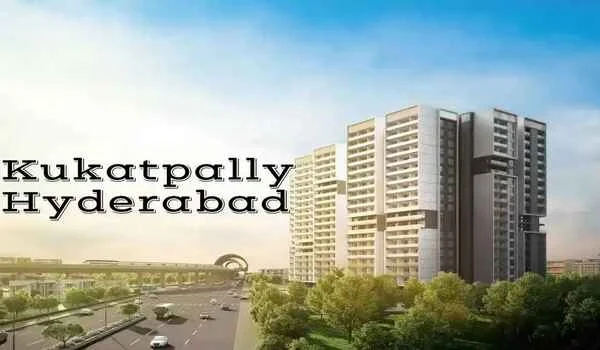
Godrej Brooklyn Avenue by Godrej Properties sits in the mature western corridor that already monetises Hyderabad's job growth. It is a 7.76-acre, two-tower G+45 community of 1,428 units in Kukatpally, around 70% open space, with a 75,000 sq.ft clubhouse and 50-plus amenities, RERA approved under Telangana No. P02200010981 with booking open. Its 3 BHK and 4 BHK homes from 1,588 to 3,261 sq.ft, priced from Rs 2.10 Cr, draw on a deep, existing pool of IT, pharma and corporate professionals for both end-use and rental demand. With the Financial District roughly 30 minutes away via the ORR and JNTU College Metro nearby, buyers get corridor-led upside without greenfield timing risk. Possession is in June 2031.
Honest Caveats on Corridor-Led Buying
- Greenfield zones take time. Pharma City and similar projects mature over years; early residential demand can be thin until employment actually lands.
- Scope and timelines evolve. Large industrial projects are frequently re-scoped; verify the current footprint and status before buying nearby land.
- Infrastructure must follow jobs. A corridor without schools, hospitals and connectivity stays a workplace, not a livable catchment — favour cores where that infrastructure already exists.
Frequently Asked Questions about Pharma City & Growth Corridors
1. What is Hyderabad Pharma City?
It is a large planned integrated life-sciences manufacturing and R&D zone in Hyderabad's southern belt, intended to consolidate bulk-drug and formulation activity at scale. Together with Genome Valley in the north, it anchors the region's pharma identity. Its scope and timeline have evolved, so verify the current status as of 2026.
2. Which Hyderabad corridor is best for residential investment?
For most buyers the established western corridor — HITEC City, Gachibowli and Kukatpally — offers the best risk-adjusted returns because jobs, metro and social infrastructure already exist. Greenfield zones such as the southern pharma belt can offer higher upside but carry execution and timing risk.
3. Should I buy property near Pharma City now?
Only with a long horizon and careful due diligence, since greenfield pharma zones mature over years and early demand can be thin. Many investors prefer to capture corridor-led city growth through a serviced, metro-connected western core that already has jobs and infrastructure in place.
4. How does Kukatpally benefit from Hyderabad's growth corridors?
Kukatpally sits in the mature western corridor with the HITEC City and Gachibowli job belt about 10–14 km away, plus Red Line metro access and ORR connectivity. It converts city-wide employment growth into end-user and rental demand today, without the timing risk of greenfield zones.
5. Do pharma and IT jobs really drive housing prices?
Yes — payroll-backed employment is the most durable source of housing demand, since salaried professionals need homes near their workplaces. Corridors that combine large job creation with livable social infrastructure see the steadiest residential appreciation, which is why Hyderabad's western belt leads.
Godrej Brooklyn Avenue Blog