Reason 1 — Land Inside the ORR Is Running Out
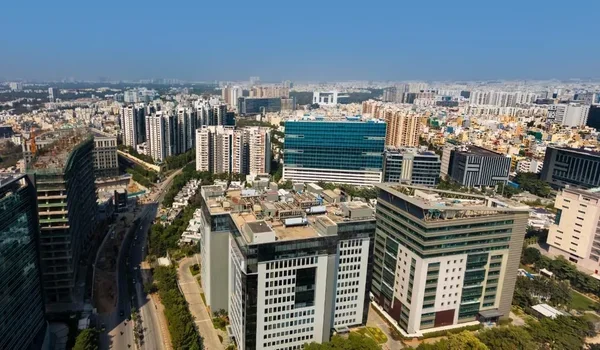
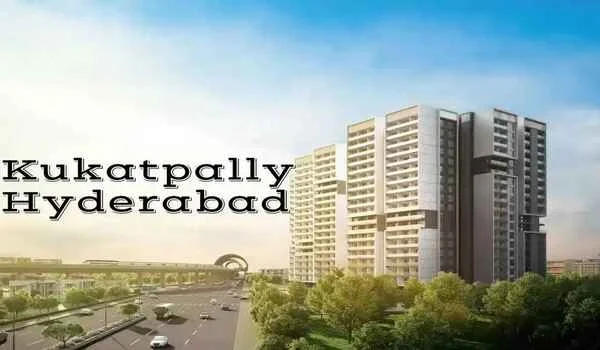
Kukatpally is inside the Outer Ring Road. It is a mature, fully built-up area. There are no large open plots left. Developers who want to build here have to buy from existing owners or win government auctions. Both options cost a lot of money.
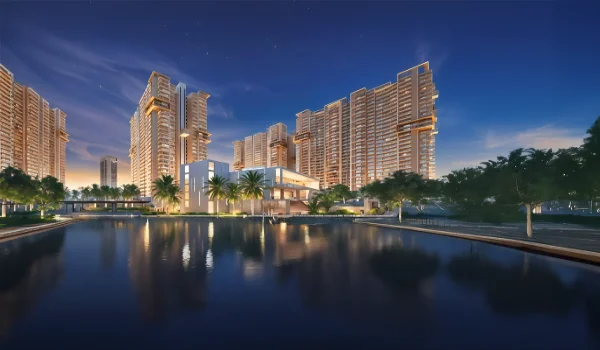
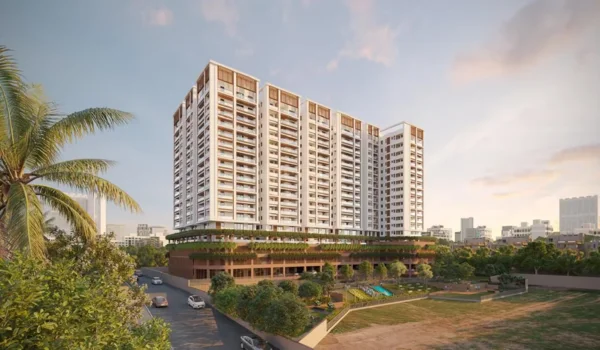
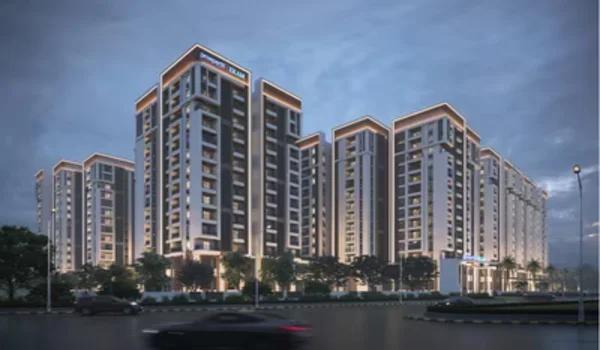
Godrej Properties paid ₹543 Crores for a 7.76-acre plot at KPHB Phase 4 in August 2025. That works out to about ₹70 Crores per acre. This is what land inside KPHB costs now. And when land is expensive, flats built on it are expensive too.
When a city grows outward, inner areas get scarcer. Kukatpally went through this 10 years ago. Now it is fully locked in as a core city zone. New supply is limited. Old supply is ageing. This keeps prices high.
Reason 2 — Three Metro Stations Add a Real Price Premium
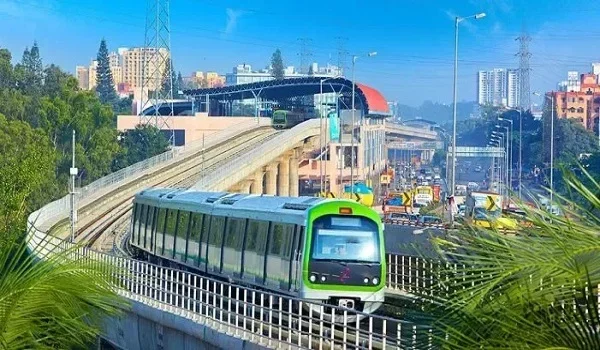
Kukatpally has 3 Red Line Metro stations — Kukatpally, KPHB Colony, and Balanagar. Properties within walking distance of Metro stations in Hyderabad command a 5 to 15% price premium over comparable properties without Metro access.
KPHB Phase 4 has the JNTU College Metro Station walking distance away. That is not just a convenience. It is priced into every flat in the area. Buyers pay extra for it. Investors buy for it. Tenants choose for it.
No other North Hyderabad area at this price point has 3 Metro stations. Bachupally, Nizampet, and Hafeezpet have none. Kondapur has no direct Metro. Kukatpally's Metro density is unique, and buyers pay for uniqueness.
Reason 3 — HITEC City Is Just 8 to 9 km Away
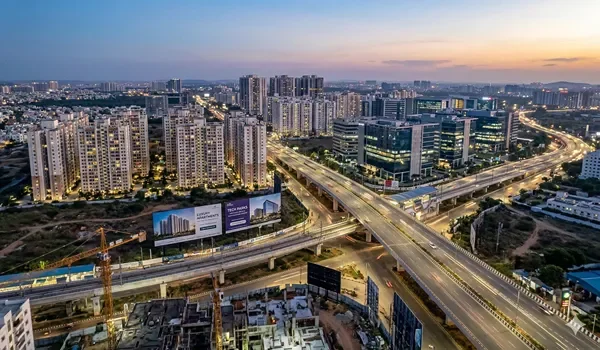
Proximity to employment drives property prices more than almost any other factor. Kukatpally is 8 to 9 km from HITEC City. Madhapur is 8 km. The Financial District is 15 km. Gachibowli is 13 km.
Over 2 lakh professionals work in HITEC City every day. Many want to live nearby. Kukatpally is one of the closest residential areas with Metro access, good schools, and hospitals. Because of this, rental demand stays high, vacancy stays low, and buyers are always in the market.
High employment proximity always inflates prices. It has done so in Gachibowli, Kondapur, and Madhapur. Kukatpally is in that same band — at a slightly lower price than those three, but rising toward them.
Reason 4 — Big Developers Are Bidding Up Land Prices
When a developer like Godrej pays ₹543 Crores for a plot, two things happen. First, every other landowner in the area revises their price expectation upward. Second, the new project that gets built on that land is priced at a level that justifies the land cost.
ASBL paid ₹235 Crores for land at Y-Junction. Godrej paid ₹543 Crores for KPHB Phase 4. These are record land deals for this corridor. They signal that national developers believe prices here will go up further. Their land bids act as the floor for the entire micro-market.
When the smartest, most well-resourced developers in India are buying land at these prices, the market is telling you something. They do not overpay. They know what is coming.
Reason 5 — Full Social Infrastructure at Your Door
Kukatpally has 40+ schools, 45+ hospitals, 10+ colleges, 5 big malls, and over 2,000 restaurants. Everything is close. You do not need a car for most daily needs.
This kind of social depth is only found in fully mature urban areas. It took 30 years to build in Kukatpally. You cannot replicate it in Bachupally or Miyapur in the next 5 years, no matter how many new roads are built.
Buyers pay for the certainty of services being there. A new area might have a better future. But Kukatpally has a proven present. That certainty has a price — and buyers are willing to pay it.
Reason 6 — Rental Demand Keeps Buyers Bidding
High rental demand attracts investors. Investors bid against end-users. More buyers in the market push prices up. This is the demand loop that keeps Kukatpally expensive.
Rents in Kukatpally grew 23.3% per year over the last three years. A 3 BHK that rented for ₹23,000 in 2021 earns ₹55,000 to ₹70,000 in 2025. Projections suggest rents could cross ₹77,000 by 2026. Rental yields run at 3 to 5% annually.
Investors who can earn ₹60,000 per month in rent on a ₹2 Crore flat are happy to buy. Their buying competes with families who want to live there. That competition keeps prices high and rising.