History of Kukatpally
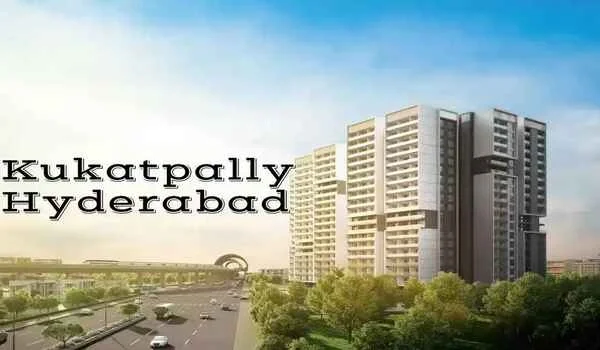
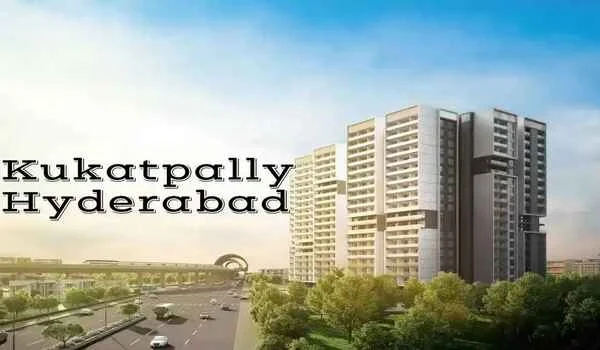
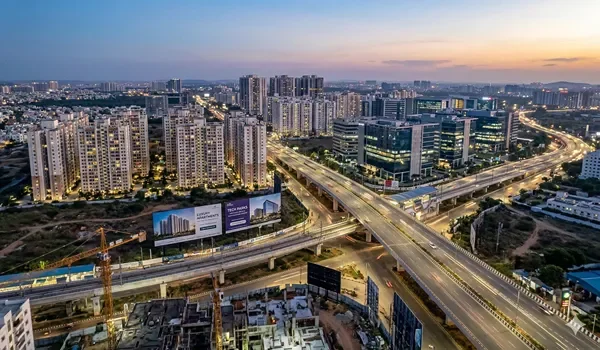
The history of Kukatpally is closely tied to the planned KPHB (Kukatpally Housing Board) layout in West Hyderabad, opposite JNTU. From a modest settlement it grew into one of the city's largest and most established residential suburbs. The shift over the last few decades has been steady. Hyderabad expanded westward. The road grid improved. The arrival of JNTU and the IT corridor drove demand, and the operational Hyderabad Metro Red Line cemented its connectivity. Today, boutique luxury launches like Godrej Brooklyn Avenue mark the next chapter of the Kukatpally growth story.
Early Period — Village and Settlement Origins
Kukatpally began as a settlement on the western edge of Hyderabad, with local water bodies including the Kukatpally lake and nala. For much of the 20th century it was a modest residential and trading pocket, connected to the city by a single arterial road that later evolved into KPHB Main Road.
1970s–1980s — The KPHB Housing Board Layout
The defining moment in Kukatpally's growth was the development of the Kukatpally Housing Board (KPHB) colony, one of the largest planned residential layouts in the country. Organised into numbered phases, KPHB transformed the area into a structured residential neighbourhood and laid the foundation for its later commercial belt. The establishment of JNTU nearby reinforced its identity as a residential and education hub.
1990s–2000s — The GHMC Growth Era
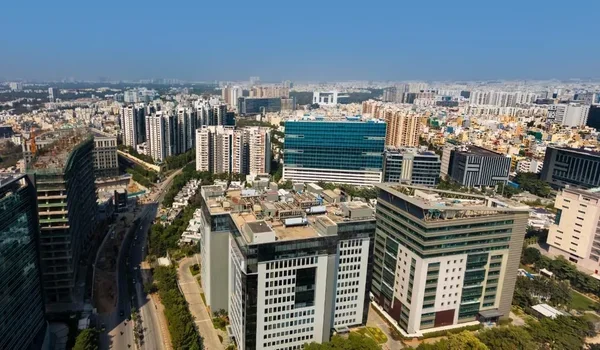
As Hyderabad's municipal area expanded, Kukatpally came firmly under the Greater Hyderabad Municipal Corporation (GHMC). Improved municipal water, sewerage and road infrastructure followed. KPHB Main Road was widened to handle growing West Hyderabad commuter traffic. The Outer Ring Road project was conceived during this era. Hyderabad's IT boom in HITEC City, Madhapur and Gachibowli created strong demand for residential housing nearby, and Kukatpally — only a few kilometres away — benefited directly from that wave.
2010–2018 — Road Grid Maturation
The Outer Ring Road orbital was completed by the early 2010s. It added a signal-free connector between West Hyderabad, the IT corridor and the Mumbai Highway. Kukatpally is just ~2.5 km from the ORR / KPHB Main Road area. Land and apartment transactions trended upward. The commuter profile broadened to include large numbers of tech professionals using the ORR and arterial roads for HITEC City and Gachibowli access.
2018–2024 — The Red Line Transformation
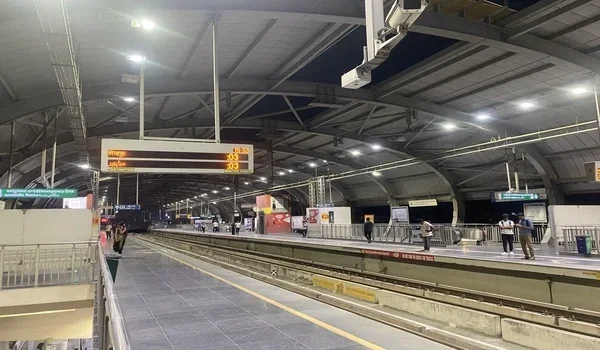
A major catalyst in Kukatpally's modern growth was the Hyderabad Metro Red Line. The LB Nagar–Miyapur Red Line corridor became operational, with JNTU College, KPHB Colony and Kukatpally stations directly serving the area and Miyapur as the western terminus. That made Kukatpally a walking-distance-to-metro residential suburb. Property values along the Kukatpally–KPHB belt posted 10–15% year-on-year appreciation through this period.
2024–2026 — Boutique-Format Launches Arrive
With the metro operational and road-grid connectivity matured, the catchment attracted a new wave of boutique-format luxury developers. Earlier launches had been mid-segment 2 BHK / 3 BHK projects for volume buyers. The post-metro launches shifted toward upscale 3 BHK / 4 BHK boutique-format projects. The target buyer is HNI and senior corporate. Godrej Brooklyn Avenue is a representative example. Property rates moved into the ₹11,000–₹12,500 per sq.ft. band. Cumulative appreciation over the preceding 5-year window is 50–60%.
2026 Onwards — What's Driving the Next Wave
- Hyderabad Metro Phase 2 extensions: Planned additions that widen the network across West Hyderabad.
- HITEC City / Gachibowli IT corridor (a few km): Sustains direct metro-and-road-to-work employment demand in the catchment.
- ORR / elevated-corridor upgrades: Cut commute times to the IT corridor and the wider city.
- Airport metro access: Improved metro connectivity towards the airport via interchanges.
- Regional Ring Road (RRR): Improves orbital access around the wider Hyderabad region.
Cultural Anchors That Remain
- Kukatpally lake and nala: Local water bodies within the catchment.
- Local temples: Several long-standing community temples remain active across KPHB and Kukatpally.
- KPHB commercial belt: The established retail and dining stretch anchored by Forum Sujana (Nexus Hyderabad) and Lulu Mall.
- JNTU Hyderabad: The technical university opposite Kukatpally that anchors its education identity.
Kukatpally's Place in Modern Hyderabad
In just under two decades, Kukatpally has changed completely. It moved from an agricultural pocket to one of west Hyderabad's most-active boutique-residential catchments. Metro walkability, road-grid access and ongoing infrastructure investment continue to support the trajectory. The historical pattern is clear — 50–60% cumulative appreciation, with more infrastructure catalysts ahead. Projects like Godrej Brooklyn Avenue should be evaluated as part of a longer growth arc, not a snapshot.
Frequently Asked Questions about Kukatpally History
1. What was Kukatpally before it became a residential catchment?
Kukatpally was a modest settlement on the western edge of Hyderabad. The decisive change came with the Kukatpally Housing Board (KPHB) layout, which turned it into a large planned residential neighbourhood. The arrival of JNTU and the growth of the nearby IT corridor then made it one of West Hyderabad's largest suburbs.
2. When did property values start moving up?
Property values picked up through the early 2010s after the Outer Ring Road came online. They accelerated again with the operational Hyderabad Metro Red Line. The Kukatpally–KPHB belt has delivered 50–60% cumulative appreciation in the recent 5-year window. Year-on-year growth runs 10–15%.
3. What changed when the metro opened?
Three things changed at once. Commute times to central Hyderabad dropped. The catchment became attractive to senior tech professionals who were previously focused on west Hyderabad. Boutique-format luxury developers started entering. Kukatpally moved from a peripheral commuter pocket to a primary residential destination in its own right.
4. Has Kukatpally always been part of GHMC?
Kukatpally came under the Greater Hyderabad Municipal Corporation (GHMC) as the city's municipal area expanded. Before that, it was managed under more local-level government, and urban infrastructure investment was much lower. Today it is a fully developed GHMC suburb in Medchal–Malkajgiri District.
5. What's coming next for Kukatpally?
Several catalysts are lined up. Hyderabad Metro Phase 2 extensions. Continued growth of the HITEC City and Gachibowli IT corridor a few kilometres away. ORR and elevated-corridor upgrades. Improved metro access towards the airport. The Regional Ring Road. Together they represent the next decade of infrastructure investment. The trajectory looks set to stay positive.
6. Are there heritage landmarks left in Kukatpally?
Yes. The Kukatpally lake and nala remain local landmarks. Several community temples sit across KPHB and the residential pockets. JNTU Hyderabad, opposite the locality, is a long-standing institutional anchor. KPHB Main Road itself is a historic West Hyderabad arterial connector.
Godrej Brooklyn Avenue Blog