High-Floor vs Low-Floor Apartment — Pros & Cons
Published On: 25 June 2026
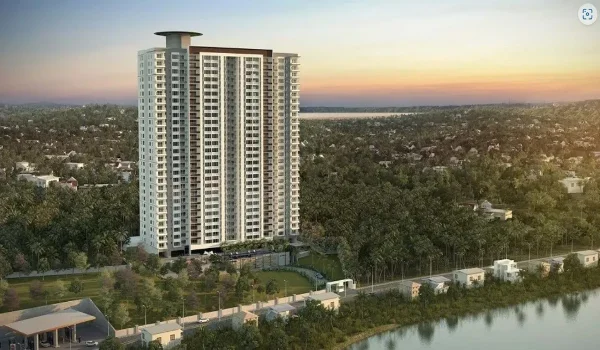
Once you have picked your apartment and configuration, one question still decides how the home feels every single day: which floor? In a tall tower the difference between a third-floor unit and a fortieth-floor unit is not cosmetic. It changes your view and natural light, how much road noise and dust reach your windows, how reliant you are on the lift, how quickly you can leave in an emergency, and even how many mosquitoes find their way in. It also changes the price, because most developers add a floor-rise charge that climbs as you go up. There is no single best floor for everyone; the right choice depends on your household, your patience for waiting on lifts, and how much you value a skyline view. This guide weighs high-floor versus low-floor living honestly and maps it to a real G+45 high-rise, Godrej Brooklyn Avenue in Kukatpally, west Hyderabad, so you can choose with open eyes.
High-Floor vs Low-Floor — Side-by-Side
| Factor | High Floor | Low Floor |
| View & natural light | Panoramic skyline views, more open sky and daylight | Limited outlook; faces trees, podium or neighbouring blocks |
| Ventilation & breeze | Stronger, cooler cross-breeze higher up | Calmer air; can feel stiller in summer |
| Noise & dust | Noticeably quieter and cleaner away from the road | More traffic noise and street dust |
| Privacy | High; no overlooking from streets or low blocks | Lower; passers-by and lower windows can see in |
| Lift dependence | Heavy; lift is essential, waits can be longer | Light; stairs are a realistic backup |
| Power-cut impact | Felt more without lift; backup power matters most | Easier to manage; quick walk down |
| Safety & evacuation | Longer to evacuate; relies on fire safety systems | Faster, simpler exit on foot |
| Mosquitoes & insects | Fewer, especially above tree and water line | More, being closer to ground and greenery |
| Price (floor-rise) | Higher; per-floor premium adds up | Lower entry price |
| Resale & rental appeal | Strong for view-seekers; premium pricing | Appeals to families with kids, elderly, pets |
Views, Light and Ventilation
The headline reason buyers reach for height is the view. In a G+45 tower, upper floors look out over the city skyline rather than at the next building, and that open outlook brings more daylight and a feeling of space that no interior design can replicate. Ventilation improves too. Air moves faster the higher you go, so high-floor homes catch a stronger, cooler cross-breeze and tend to feel fresher in Hyderabad's warmer months, which can trim how hard your fans and air-conditioners work. Low floors sit in calmer air with a shorter, more grounded outlook, often facing landscaped podium gardens, tree canopy or a neighbouring block. That is not always a downside. Many people prefer being close to the greenery and watching the garden rather than the horizon, and a shaded low floor can stay pleasantly cool without much wind.
Noise, Dust, Privacy and Insects
Day to day, the quieter, cleaner air of a high floor is a real comfort. Traffic noise and street dust fall away with every level you climb, so upper-floor homes are typically calmer and need less frequent cleaning of windows and balconies. Privacy is better too, since no one on the street or in a lower block can see in. Mosquitoes and flying insects also thin out higher up, especially above the tree line and any water features, which means fewer screens and sprays. Low floors trade some of this away: they catch more road noise and dust, offer less privacy from passers-by, and sit closer to the gardens that insects favour. For a household that keeps windows open and values calm, height wins on these points, though good screens, sealed glazing and a unit facing away from the main road can narrow the gap considerably on a lower floor.
Lifts, Power Cuts, Safety and Water
This is where low floors earn their keep. High-floor living makes you dependent on the lift, and during peak morning and evening hours the wait can stretch, especially in a tower with many homes per core. In a power cut, that dependence is felt sharply; you are relying entirely on backup power to keep the lifts running, whereas a low-floor resident can simply walk down. Evacuation is the more serious version of the same point: leaving on foot from the upper reaches of a G+45 tower takes far longer than from the third or fourth floor, so high-floor safety leans heavily on well-maintained fire systems, pressurised staircases and refuge floors. Water pressure can also taper at the very top of tall stacks, though modern projects design pumping and overhead tanks to deliver consistent pressure across all floors. Ask specifically how the project handles lift backup, fire safety and water supply for its highest units before you decide. The detail in the project paperwork matters here, and our guide to reading the cost sheet shows where these and other line items appear.
Price: The Floor-Rise Premium
Height is not free. Most developers levy a floor-rise charge, a per-floor premium added on top of the base rate, so the same layout costs more the higher it sits. At Godrej Brooklyn Avenue the base rate starts around Rs 12,500/sq.ft, with 3 BHK and 4 BHK homes spanning 1,588 to 3,261 sq.ft and prices broadly in the Rs 2.10 to 4.40 Cr band. A floor-rise charge typically adds a modest amount per square foot for each floor you climb, which on a large home over forty levels can become a meaningful sum. The exact figure varies by tower and floor band, so verify the exact floor-rise charge in the cost sheet rather than assuming a flat rate. A practical way to read it is as the price of the view and the quiet: if those matter to you, the premium is worth it; if budget is tight, a lower floor in the same tower gives you the same address, finishes and amenities for less. To weigh how floor choice interacts with the size of home you pick, our comparison of the 3 BHK and 4 BHK configurations is a useful companion.
Resale, Rental and the Sensible Middle
On resale and rental, high floors with clear views command a premium and appeal strongly to buyers and tenants chasing the skyline. Low floors hold their own with a different audience: families with young children, elderly parents or pets often prefer the quick access and the reassurance of being near the ground, so they are far from hard to sell. In a tall G+45 tower the smartest choice for many buyers is neither the very top nor the very bottom but the mid-to-high band, which balances a generous view and good breeze with shorter lift rides and a saner evacuation. Direction and outlook can matter as much as height, and Vastu-minded buyers often weigh entrance and room orientation alongside the floor; our Vastu tips for buying a flat cover that layer. Whichever band you target, confirm the unit's facing, the obstruction-free view line and the floor-rise charge before booking.
Who Should Choose What
Choose a high floor if you prize panoramic views, strong ventilation, quiet and privacy, and you are comfortable depending on the lift and paying the floor-rise premium. This suits view-seekers, couples and working professionals who are out during the day and want to come home to a calm, bright apartment above the noise. Choose a low floor if quick, lift-free access matters most, which is often the case for families with small children, elderly members or pets, and for anyone who wants the same community and amenities at a lower entry price and a simpler exit in an emergency. If you want most of the upside of both, target the mid-to-high band in a G+45 tower like Godrej Brooklyn Avenue, where 2 towers rise across 7.76 acres with about 70% open space, the JNTU College Metro and Remedy Hospitals sit close by, and possession is set for June 2031. Verify the exact floor, facing and floor-rise charge in the cost sheet, and pick the level that fits how you actually live.
Frequently Asked Questions
1. Which floor is best to buy in a high-rise apartment?
There is no single best floor; it depends on your household and priorities. In a tall G+45 tower the mid-to-high band is the popular sweet spot, because it offers a good view, breeze and quiet while keeping lift rides and evacuation manageable. View-seekers go higher, families who value quick access stay lower. Match the floor to how you live rather than to a blanket rule.
2. Are high floors really quieter and cleaner than low floors?
Generally yes. Traffic noise and street dust reduce noticeably the higher you go, so high-floor homes tend to be calmer and need less frequent cleaning of windows and balconies. They also see fewer mosquitoes, especially above the tree and water line. A low-floor unit facing away from the main road with good glazing can still be reasonably quiet, but height has the edge on this.
3. What is a floor-rise charge and how much does it add?
A floor-rise charge is a per-floor premium developers add on top of the base rate, so the same layout costs more the higher it sits. The amount varies by project, tower and floor band, and across forty-plus floors it can add up on a large home. Always verify the exact floor-rise charge in the cost sheet for the specific floor you are considering rather than assuming a flat figure.
4. What happens on a high floor during a power cut?
High-floor living depends on the lift, so during a power cut you rely on the project's backup power to keep lifts running; walking up many flights is impractical. Reputable high-rises provide generator backup for lifts, common areas and water pumping. Before booking an upper floor, confirm the backup power arrangement, lift count per core and how water pressure is maintained for the topmost units.
5. Is a low floor better for families with children or elderly parents?
Often yes. Low floors give quick, lift-light access to the lobby, gardens and play areas, which is convenient with strollers, young children, elderly members or pets, and they allow a fast exit on foot in an emergency. The trade-off is more road noise and dust, less of a view and lower privacy. For many families that quick-access advantage outweighs the loss of a skyline view.
6. Do high floors or low floors have better resale value?
Both sell well to different buyers. High floors with clear, unobstructed views command a premium and attract view-seekers and tenants chasing the skyline. Low floors appeal to families who value easy access, so they remain liquid too. What hurts resale on any floor is a blocked outlook, so an unobstructed view line matters as much as the floor number when you are thinking about future value.
Godrej Brooklyn Avenue Blog